%20--%3e%3cdefs%3e%3cstyle%3e%20.st0%20{%20fill:%20%23a5d028;%20}%20.st1%20{%20fill:%20%23fff;%20}%20.st2%20{%20fill:%20%231de2db;%20}%20.st3%20{%20fill:%20%2341bdf9;%20}%20%3c/style%3e%3c/defs%3e%3cg%20id='logo-unaice-line'%3e%3cpath%20class='st1'%20d='M143.3,36.1c-1.2,0-2.1-.9-2.1-2.1V12.2c0-1.2.9-2.1,2.1-2.1s2.1.9,2.1,2.1v21.8c0,1.2-.9,2.1-2.1,2.1ZM143.2,6.2c-1.3,0-2.4-1-2.4-2.4v-.8c0-1.3,1-2.4,2.4-2.4s2.4,1.1,2.4,2.4v.8c0,1.3-1.1,2.4-2.4,2.4Z'/%3e%3cpath%20class='st3'%20d='M23.7,36.1H2c-.5,0-1-.4-1-1V2.3c0-.5.4-1,1-1h21.7c.5,0,1,.4,1,1v32.9c0,.5-.4,1-1,1'/%3e%3cpath%20class='st2'%20d='M41.8,36.1h-14.4c-.5,0-1-.4-1-1v-14.5c0-.5.4-1,1-1h14.4c.5,0,1,.4,1,1v14.5c0,.5-.4,1-1,1'/%3e%3cpath%20class='st0'%20d='M41.8,17.9h-14.4c-.5,0-1-.4-1-1V2.2c0-.5.4-1,1-1h14.4c.5,0,1,.4,1,1v14.7c0,.5-.4,1-1,1'/%3e%3c/g%3e%3cpath%20class='st1'%20d='M196.4,29.2c-2.1,2.1-3.6,3.2-7.1,3.2s-7.4-2.3-8.2-7.4h16.7c2.7,0,2.9-1.9,2.7-4-.7-6.2-5.3-11.2-11.6-11.2s-12.3,5.1-12.3,13.4,5.4,13.3,12.6,13.3,8.3-2.6,10-4.3c1.8-2.1-1.2-4.7-2.8-3ZM188.9,13.7c4.7,0,7.3,4.1,7.6,7.3h-15.3c.7-4.3,3.4-7.3,7.7-7.3Z'/%3e%3cpath%20class='st1'%20d='M132.1,12.9c-1.9-1.9-5.4-2.9-8.2-2.9s-5.3.5-8.2,1.8c-2.4,1-.9,5,1.6,3.7,2.1-1,3.3-1.5,6.3-1.5s6.7,1.1,6.8,6.1c-1.8-.5-2.7-.8-6.9-.8-6.8,0-11.3,3.3-11.3,8.8s4.1,8.4,10.1,8.4,5.4-.6,8.3-2.9v.5c0,2.8,4.2,2.6,4.2,0v-13.8c0-3.1-.8-5.5-2.7-7.4ZM130.4,26.2c0,3.6-3.4,6.3-8,6.3s-5.9-1.7-5.9-4.6,2.5-4.6,6.8-4.6c0,0,4.8,0,7.1,1v1.9Z'/%3e%3cpath%20class='st1'%20d='M80,36.1c-1.2,0-2.1-.9-2.1-2.1V3.4c0-1.2,1-2.2,2.2-2.2h.4c.8,0,1.4.4,2,1.1l20.2,25.7V3.4c0-1.2.9-2.1,2.1-2.1s2.1.9,2.1,2.1v30.7c0,1.1-.5,2-1.9,2s-1.9-.8-2.2-1.2l-20.7-26.2v25.3c0,1.2-.9,2.1-2.1,2.1Z'/%3e%3cpath%20class='st1'%20d='M60.2,36.5c-5.1,0-10.5-4.3-10.5-10.7v-13.5c0-1.2.9-2.1,2.1-2.1s2.1.9,2.1,2.1v13.1c0,4.5,2.5,7.1,6.6,7.1s7.3-3.2,7.3-7.5v-12.7c0-1.2.9-2.1,2.1-2.1s2.1.9,2.1,2.1v21.8c0,2.8-4.2,2.7-4.2,0v-.5c-1.5,1.6-3.3,2.9-7.6,2.9Z'/%3e%3cpath%20class='st1'%20d='M163.8,36.5c-7.1,0-13.1-6-13.1-13.3s4.8-13.5,13.5-13.5c4.4,0,6.9,2,8.8,3.7,1.8,1.5-.8,5.1-2.8,3.3-.8-.8-3.3-3-6.4-3-4.8,0-8.6,4-8.6,9.2s3.8,9.3,8.6,9.4c3.7,0,4.9-1,7-3.1,1.6-1.8,4.6,1,3,2.8-3,3-5.7,4.5-10,4.5h0Z'/%3e%3c/svg%3e)
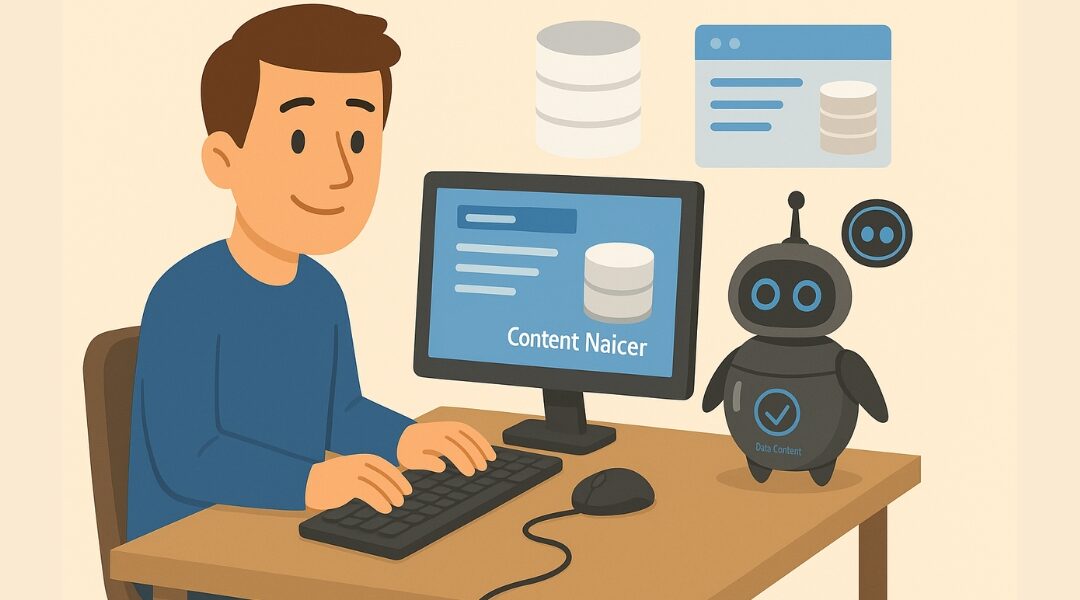
More and more companies are turning to Marketing Automation to simplify their day-to-day business. But what exactly does the term “Marketing Automation” mean? In short, it refers to the use of software to automate recurring marketing tasks. This saves time, increases efficiency, and delivers better results—with less effort.
In this article, you will learn what Marketing Automation Software can do, how it works, and why it has long been more than just a trend. We will show you the most important terms, tools, and best practices—and introduce you to News Stream, a solution that allows you to automatically publish customized content.
→ Want to implement automation, not just compare tools? See Marketing Automation — book a call or start self-serve. Or check your potential with your website URL.
That's exactly what News-Stream takes over
News-Stream plans, creates and publishes blog and social content on a fixed rhythm – automated, but always with your sign-off. That way visibility stays intact without eating your time every day.
What is Marketing Automation? – definition, benefits, and relevance
The definition of Marketing Automation
Marketing Automation describes the use of software-supported methods to automate recurring tasks in marketing. The goal is to make processes such as email distribution, lead management, and content publication more efficient and targeted. A precise definition is provided by Act! in their article, which clearly outlines the basics and functions of such systems.
Marketing Automation helps to better control the customer journey, deliver personalized content, and systematically qualify prospects. It's not just about technology—it's primarily about relevance, user experience, and customer satisfaction.
Why automation is becoming increasingly important in marketing
Today's companies are faced with the challenge of using more channels, responding faster, and reducing costs at the same time. Automated processes offer enormous relief here. If you want to keep track of your sales funnel, you need a well-designed marketing automation system that analyzes leads, controls workflows, and delivers content at the right time.
With the right solution—for example, marketing automation software such as Brevo, HubSpot, or Emarsys—you can measurably increase your conversion rate. According to HubSpot, automated campaigns can achieve up to 14% higher open rates compared to manual campaigns.
Increased efficiency through automated processes
Nowadays, marketing means one thing above all else: efficiency. Instead of sending every message manually or posting content on platforms by hand, automated workflows take over these tasks. This not only saves time, but also reduces human error.
A well-designed workflow might look like this: A new lead downloads a white paper, is automatically assigned to a segmentation group, and then receives tailored content based on their interests. This creates a genuine connection—and the prospect gradually becomes a customer.
The role of tools and systems
Whether you're a small start-up or a large corporation, Marketing Automation tools offer suitable packages for every size of company. From simple email automation to complex lead scoring and reporting systems. Tools such as Brevo, Salesforce Marketing Cloud, Pardot and Emarsys are well-known providers with different focuses and pricing models.
The choice of tools is also crucial. Companies should not only pay attention to the functions, but also to the connection to existing systems, the implementation effort, and the planned measures for optimization.
A useful overview of this can be found in the tool comparison by More Fire, which compares different providers.
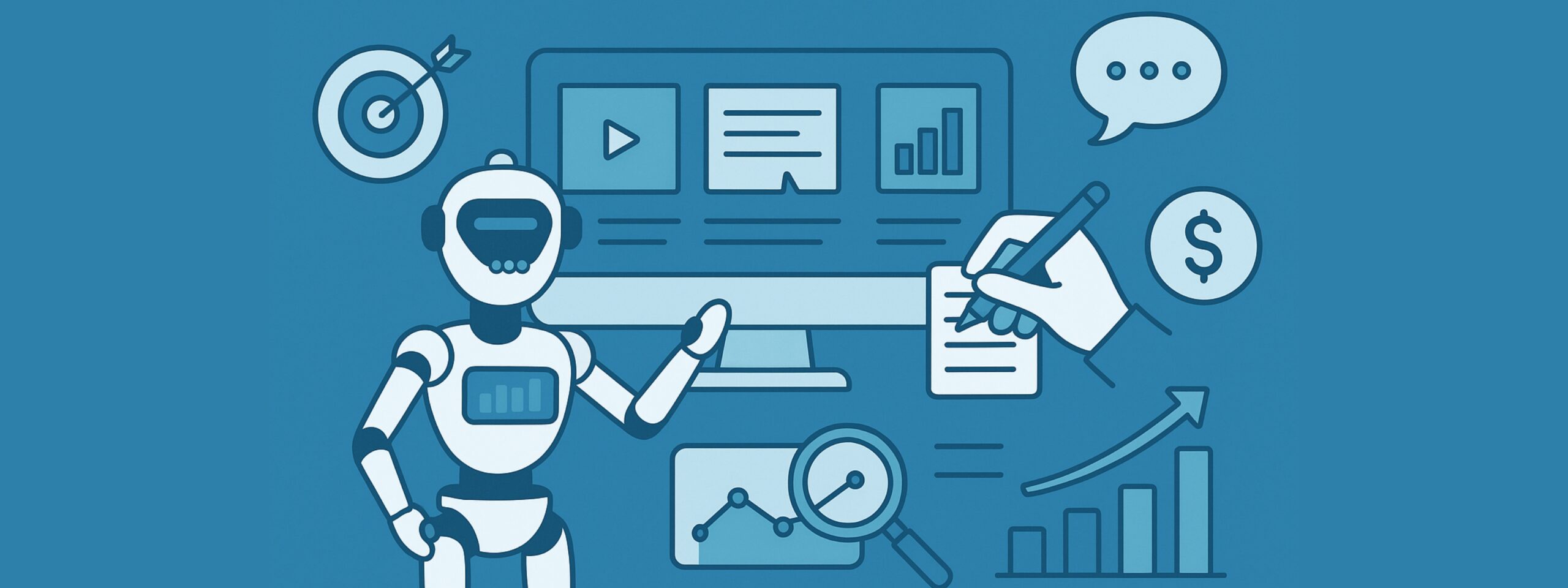
Why companies rely on Marketing Automation
Growing pressure on companies
Many companies lack the time, resources, or personnel to handle all marketing tasks manually. As a result, potential in lead generation, conversion rates, or content strategy remains untapped. This is where marketing automation tools come into play—they help to structure and control processes in a targeted manner.
Thanks to automated workflows, companies can automate recurring tasks such as email distribution, lead nurturing, and segmentation. This saves work, improves efficiency, and ensures that no potential customer slips through the cracks.
Goals: Increase conversion, reduce effort with a system
The central goal of Marketing Automation is conversion optimization. Addressing users with the right content at the right time increases the chance of a purchase – or the next step in the customer journey. Many companies report up to 25% more conversions after introducing a well-designed Marketing Automation system.
An example: With a tool such as Brevo, automated email campaigns can be set up that provide leads with tailored content based on their behavior. This happens entirely in real time—without any manual intervention.
Features that make the difference
Many companies are unaware of how many features modern tools offer today. From lead scoring and dynamic content to multichannel campaigns, almost every area of digital marketing can be automated. This not only ensures efficiency, but also enables better evaluation and analysis of measures.
The Klarplan blog emphasizes that small and medium-sized businesses in particular can benefit greatly from automated marketing—if they choose the right system.
Marketing Automation as part of a modern marketing strategy
The question today is no longer whether to automate, but how. Inbound marketing, lead management, content creation, and personalization are central components of a modern strategy. If you want to remain competitive today, there is no way around marketing automation software.
A prime example of successful interaction between strategy, tools, and content can be found in our article on social media strategy.

Overview of key functions and workflows
A look at the basic functions of Marketing Automation
A good Marketing Automation system offers more than just emails. It covers a wide range of functions – from lead generation and lead scoring to automated content distribution. The ability to link all steps along the customer journey is particularly important.
This is usually based on landing pages, forms, automated follow-ups, and personalization. These basic functions form the starting point for targeted campaigns and are already included in the standard version of many Marketing Automation tools such as Brevo or ActiveCampaign.
Automated workflows: The key to efficiency
A workflow is a sequence of predefined rules and actions. It starts, for example, when a user fills out a form or clicks on an email. The system can then automatically play content, qualify leads, or transfer the contact to sales.
A successful Marketing Automation workflow always starts with the user's intention. This reduces wastage and allows campaigns to be targeted and executed in real time. In practice, this means greater impact with less effort.
Lead scoring and segmentation
A key feature of many systems is lead scoring. This involves awarding points to prospects based on their behavior, such as clicks, downloads, and page visits. This makes it easier to identify when and how a lead should be contacted.
This is complemented by segmentation, i.e., dividing your contacts into groups. The better these groups are defined, the more targeted the customized content can be—a real boost for your conversion.
Reporting and analysis: What are the benefits of automation?
You can only improve your campaigns if you know how they are performing. That's why modern Marketing Automation software offers comprehensive analysis and reporting functions. These allow you to identify which content works well, where users drop out, and how you can increase your success.
A helpful overview of tools with strong reporting components can be found at OMR Reviews, including user reviews and pricing models.
Think practically: Success through integration and content
The best technology is of little use without meaningful content. Content is at the heart of your strategy—and should be tailored to the behavior of your target audience. It helps to plan content centrally and automate it using tools.
With clearly defined rules, you can determine when content is automatically created, distributed, and analyzed. This increases efficiency and frees up time for creative marketing work.
For inspiration on content creation, take a look at our articles on Instagram marketing agencies or social media consulting.
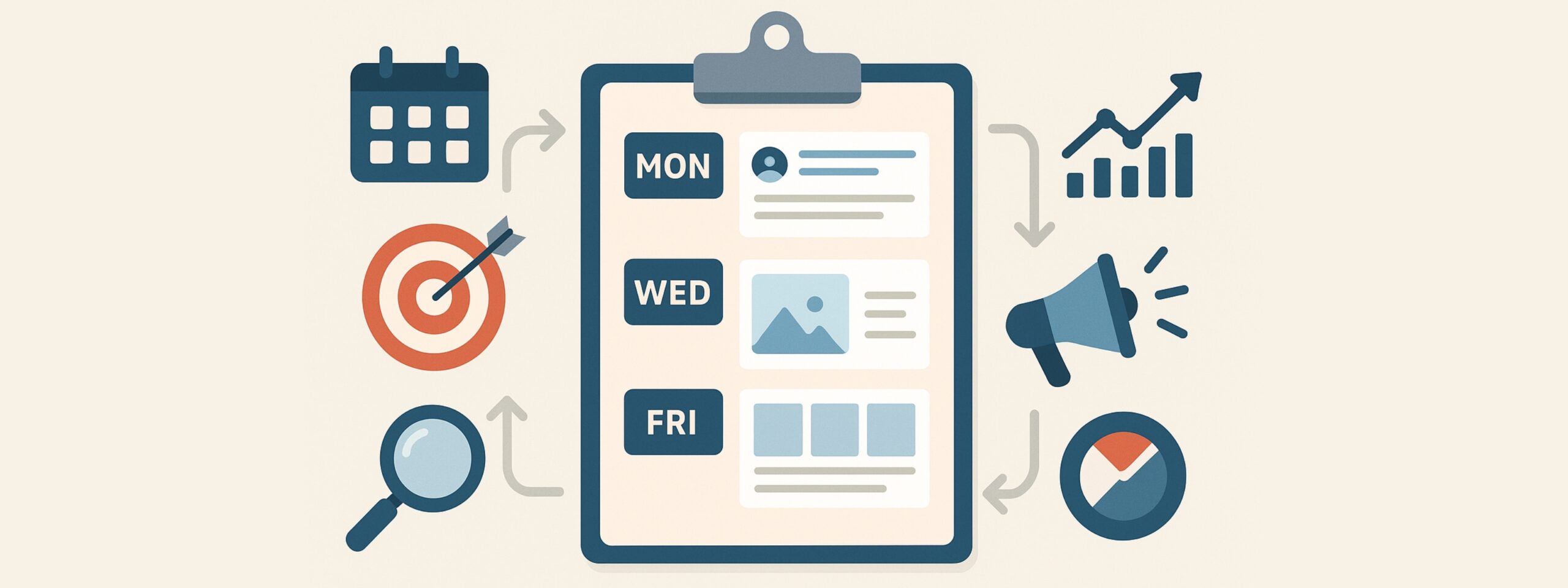
Marketing Automation tools compared – from Brevo to Salesforce
Overview: What Marketing Automation tools are available?
The market for Marketing Automation software is huge – and continues to grow. Tools such as Brevo, Emarsys, ActiveCampaign, HubSpot, and Salesforce Marketing Cloud are among the best known. Each system has its own strengths, target groups, and pricing models.
A company that is just starting out has different requirements for a tool than an international corporation with complex structures. That's why a structured comparison is crucial.
Criteria for selecting a tool
Before you decide on a Marketing Automation tool, you should define clear goals. Do you want to generate leads, automate your workflows, improve your content strategy, or analyze campaigns based on data?
The following questions will help you make your choice:
These questions form the basis for a long-term successful automation strategy.
Comparison of popular providers
Brevo (formerly Sendinblue) is particularly popular with SMEs. It offers an intuitive interface, powerful email features, and solid automation functions—ideal for getting started. Those who need more power will find Emarsys to be a data-driven platform with a focus on omnichannel marketing and customer data analysis.
Salesforce Marketing Cloud, on the other hand, is aimed at large companies with complex lead structures and diverse channels. The platform is extremely powerful, but also more complex to implement and plan.
Other tools such as Pardot, GetResponse, and Klaviyo each offer their own advantages—e.g., in e-commerce integration, lead qualification, or automated content generation.
Finding the right solution
There is no such thing as the perfect tool—only the right one for your use case. The decisive factor is how well a system fits into your existing infrastructure. A small provider with a clear focus does not need an enterprise platform, but rather a flexible, affordable system.
If you want to take a closer look at the price-performance ratio, you will find useful criteria in our comparison of social media agency prices and our Facebook Ads agency comparison will find useful criteria that can also be applied to Marketing Automation tools.
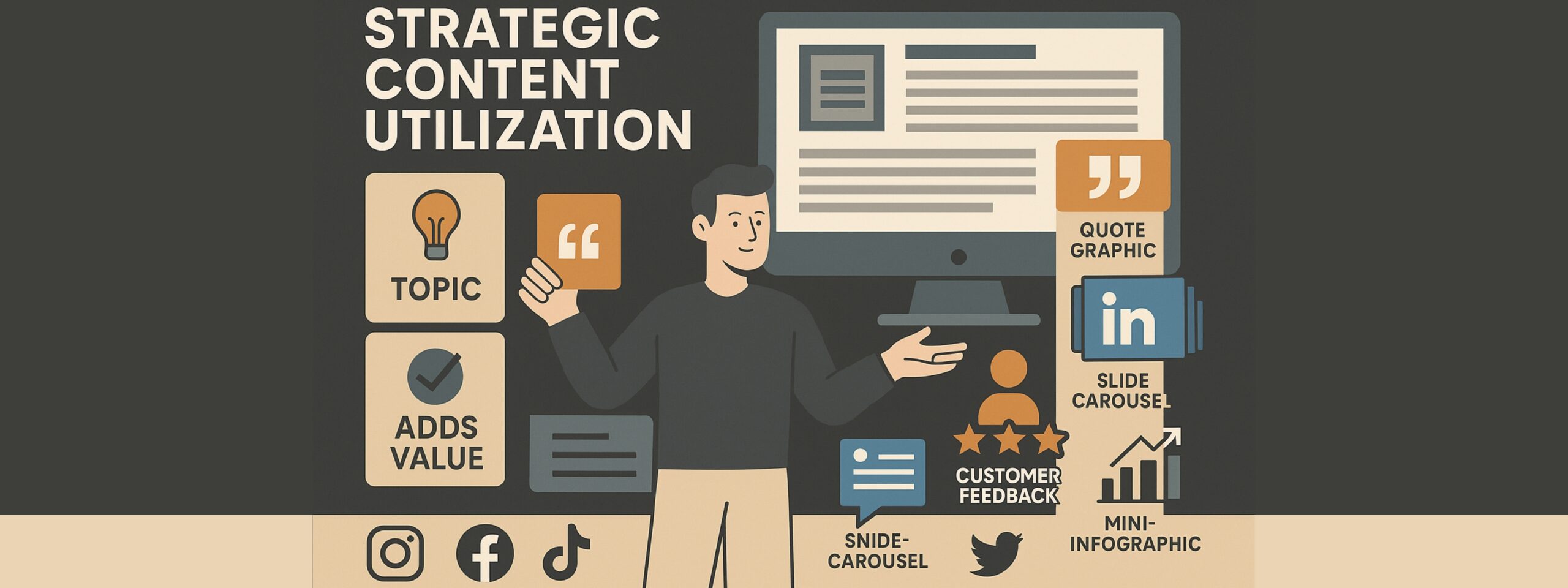
Lead scoring, inbound marketing, and the role of workflows
Assessing leads correctly: Why lead scoring is so important
Not every contact is equally valuable. This is where lead scoring comes in—a method of evaluating leads based on their behavior, origin, or company profile. This allows you to identify which contacts are most likely to convert.
A good Marketing Automation system uses this assessment to create automated rules. This ensures that only the most relevant leads receive further offers, while others remain in the nurturing workflow. This not only increases efficiency, but also prevents unnecessary contacts and effort in sales.
Inbound marketing: Attract instead of disturb
In contrast to traditional advertising, inbound marketing focuses on added value. Users are guided to your site through helpful content—such as blog articles, white papers, or webinars. The goal: Build trust and spark interest.
This is where Marketing Automation software comes into its own: content is delivered in a targeted manner, tailored to the respective phase of the customer journey. Depending on where a lead currently is, they receive appropriate content – from their initial need for information to a specific inquiry.
Automated processes: from initial contact to conversion
The path from initial contact to conversion is rarely linear. With Marketing Automation workflows, every interaction can be recorded, analyzed, and controlled. An example:
Each step is part of a well-thought-out workflow that generates qualified leads without anyone having to intervene manually. These automated processes make the difference between random new customer acquisition and predictable lead generation.
Software support for implementation
Modern Marketing Automation software greatly facilitates the implementation of such processes. It offers templates, integration with CRM systems, and real-time data for optimization. Important features include a clear user interface, clear rules, and flexible connections to existing systems.
Such tools lay the foundation for sustainable growth—especially for companies that think long-term and want to scale.
News Stream: automated content as a lead magnet
An often overlooked factor in lead generation is the regular creation of relevant content. This is exactly where uNaice's News Stream comes in: it automatically delivers up-to-date, target group-specific content – directly to your website, newsletter, or social media channel.
The system works according to fixed topic rules, is SEO-optimized, and saves you hours of content work per week. This allows you to attract attention and remain visible in the long term – without any additional effort.
👉 You can find out more about automated content generation with News Stream here.
Agency alternative: content from €399/month — automated.
News Stream creates blog posts, social posts and newsletters for your field — AI-powered, human-reviewed, without agency fees. Start free with your website URL and see real posts in under 60 seconds.
Start free setupAutomated content & campaigns: News Stream in practice
Why content is the key to successful automation
Content plays a central role in every marketing strategy. It informs, inspires, and guides potential customers through the entire customer journey. But anyone who wants to create content on a regular basis quickly reaches their limits: time, resources, and ideas are often in short supply.
This is where Marketing Automation comes in—not only in terms of delivery, but also in terms of generation. Modern software solutions such as News Stream automate much of this work and deliver relevant content on current topics in your industry.
Automated content generation with News Stream
News Stream analyzes which topics are relevant to your target group on a daily basis – and generates immediately usable posts from this information. This works on the basis of fixed rules, tailored to your company, your industry, and your system.
The content is automatically imported into your CMS, newsletter, or social media channels—SEO-optimized, updated daily, and without manual creation. This makes content production itself part of your marketing automation workflows.
Advantages of an automated content strategy
This way, content does not become a drain on your time budget – but rather a sustainable solution for reach, qualification, and conversion.
Conclusion: Automation in the content sector is not a trend—it's a must
Content needs planning. Content needs a system. And content needs automation—especially in times when speed and timeliness determine success. Tools such as News Stream show how this principle works in practice: without compromising on quality and with full control over structure and workflow.

How to get started: Selection, planning, and implementation
Step 1: Clarify your objectives and focus
Every successful Marketing Automation strategy starts with a clearly defined goal. What do you want to achieve with automation? More leads? Higher conversion rates? Less manual work? The clearer your goal, the easier it will be to select the right software and set up meaningful workflows.
The topic is also crucial: Is it more about e-commerce, B2B services, or digital products? These questions influence not only the technical selection, but also the content and communication channels of your campaigns.
Step 2: Choose the right software
Many companies overestimate the effort involved in implementation. In reality, there is Marketing Automation software available today that can be used quickly and intuitively. It is important to have a system that adapts flexibly to your needs, is scalable, and allows for easy integration with existing tools.
The price-performance ratio and range of functions should also be right. Independent platforms or user reviews provide helpful guidance—simple tools are often sufficient for the first automated workflows.
Step 3: Structure content and define rules
One of the most important steps is planning your content. What rule-based triggers do you need? What contact points are there? What content should be sent and when? Good preparation pays off here.
For example, as soon as a user visits a specific page, a workflow can start—such as a welcome sequence via email or a targeted invitation to a webinar.
Step 4: Implementation and analysis
After the technical setup, the actual implementation begins. Now it's time to create the first campaigns, fill them with content, and test the automated processes. It's important to simulate all processes before going live to avoid errors.
Here, too, it is worth taking a look at the theory: according to a recent study by the DMA, automated campaigns achieve an average of 119% higher click-through rates. This shows the potential that lies in a well-planned marketing automation system.
Step 5: Optimize and grow
Implementation is not a one-time process—it is the starting point for continuous improvement. Through targeted analysis, A/B testing, and user feedback, you can continuously adjust your campaigns.
Use sources such as user behavior, conversion rates, and feedback surveys to further develop your strategy. This way, your Marketing Automation becomes not just a system, but a real growth engine.
Real-world Marketing Automation examples
Theory is fine—but examples make the difference. Here are five proven Marketing Automation workflows you can copy today:
1. Welcome flow for new newsletter subscribers
Trigger: new sign-up via form or lead magnet.
Sequence:
Result: conversion rates of 8–15 % on the final offer are realistic—instead of 1–2 % from cold outreach.
2. Lead nurturing for B2B sales
Trigger: lead downloads a whitepaper or visits 3+ pricing pages.
Sequence:
Tools for this: HubSpot, Pardot, ActiveCampaign – plus CRM connection.
3. Cart abandonment workflow for e-commerce
Trigger: cart filled but checkout not completed.
Sequence:
Expected recovery rate: 15–25 % of abandoned carts—a direct revenue lever without new ad spend.
4. Re-activation campaign for inactive contacts
Trigger: contact has not opened an email for 90 days.
Sequence:
This keeps your list clean and your deliverability high.
5. Webinar funnel with automatic follow-up
Trigger: webinar sign-up.
Sequence:
These Marketing Automation examples can be built in any common software like Brevo, HubSpot, or ActiveCampaign in just a few hours.
Marketing Automation software 2026 compared – with prices
A common pain point: vendors hide their pricing. Here is a transparent overview of the key Marketing Automation tools in 2026:
| Tool | Entry price (month) | Strength | Ideal for |
|---|---|---|---|
| Brevo (formerly Sendinblue) | from €19 | email + SMS, easy workflows | SMBs, solopreneurs, beginners |
| HubSpot Marketing Hub | from €18 (Starter), €800 (Pro) | all-in-one with CRM | growing B2B teams |
| ActiveCampaign | from €15 | very flexible automations | solopreneurs & agencies |
| Klaviyo | from €0 (up to 500 contacts) | e-commerce specialist | Shopify/e-commerce brands |
| Salesforce Pardot | from €1,250 | enterprise integration | large B2B corporations |
| Emarsys (SAP) | on request | omnichannel & AI | retail & multichannel |
| GetResponse | from €19 | webinars built in | coaches, consultants |
| Mailchimp | from €13 | easy entry | very small lists |
Quick rule for choosing:
Marketing Automation cost & ROI – what does it really deliver?
Marketing automation usually pays off after 3–6 months. Typical effects:
A realistic example calculation for a B2B mid-size company:
→ ROI positive after month 1, clearly disproportionate from month 4 onwards.
If you boost the effect with automated content like the News Stream, you build a permanent lead magnet—without an editor having to write new posts every week.