%20--%3e%3cdefs%3e%3cstyle%3e%20.st0%20{%20fill:%20%23a5d028;%20}%20.st1%20{%20fill:%20%23fff;%20}%20.st2%20{%20fill:%20%231de2db;%20}%20.st3%20{%20fill:%20%2341bdf9;%20}%20%3c/style%3e%3c/defs%3e%3cg%20id='logo-unaice-line'%3e%3cpath%20class='st1'%20d='M143.3,36.1c-1.2,0-2.1-.9-2.1-2.1V12.2c0-1.2.9-2.1,2.1-2.1s2.1.9,2.1,2.1v21.8c0,1.2-.9,2.1-2.1,2.1ZM143.2,6.2c-1.3,0-2.4-1-2.4-2.4v-.8c0-1.3,1-2.4,2.4-2.4s2.4,1.1,2.4,2.4v.8c0,1.3-1.1,2.4-2.4,2.4Z'/%3e%3cpath%20class='st3'%20d='M23.7,36.1H2c-.5,0-1-.4-1-1V2.3c0-.5.4-1,1-1h21.7c.5,0,1,.4,1,1v32.9c0,.5-.4,1-1,1'/%3e%3cpath%20class='st2'%20d='M41.8,36.1h-14.4c-.5,0-1-.4-1-1v-14.5c0-.5.4-1,1-1h14.4c.5,0,1,.4,1,1v14.5c0,.5-.4,1-1,1'/%3e%3cpath%20class='st0'%20d='M41.8,17.9h-14.4c-.5,0-1-.4-1-1V2.2c0-.5.4-1,1-1h14.4c.5,0,1,.4,1,1v14.7c0,.5-.4,1-1,1'/%3e%3c/g%3e%3cpath%20class='st1'%20d='M196.4,29.2c-2.1,2.1-3.6,3.2-7.1,3.2s-7.4-2.3-8.2-7.4h16.7c2.7,0,2.9-1.9,2.7-4-.7-6.2-5.3-11.2-11.6-11.2s-12.3,5.1-12.3,13.4,5.4,13.3,12.6,13.3,8.3-2.6,10-4.3c1.8-2.1-1.2-4.7-2.8-3ZM188.9,13.7c4.7,0,7.3,4.1,7.6,7.3h-15.3c.7-4.3,3.4-7.3,7.7-7.3Z'/%3e%3cpath%20class='st1'%20d='M132.1,12.9c-1.9-1.9-5.4-2.9-8.2-2.9s-5.3.5-8.2,1.8c-2.4,1-.9,5,1.6,3.7,2.1-1,3.3-1.5,6.3-1.5s6.7,1.1,6.8,6.1c-1.8-.5-2.7-.8-6.9-.8-6.8,0-11.3,3.3-11.3,8.8s4.1,8.4,10.1,8.4,5.4-.6,8.3-2.9v.5c0,2.8,4.2,2.6,4.2,0v-13.8c0-3.1-.8-5.5-2.7-7.4ZM130.4,26.2c0,3.6-3.4,6.3-8,6.3s-5.9-1.7-5.9-4.6,2.5-4.6,6.8-4.6c0,0,4.8,0,7.1,1v1.9Z'/%3e%3cpath%20class='st1'%20d='M80,36.1c-1.2,0-2.1-.9-2.1-2.1V3.4c0-1.2,1-2.2,2.2-2.2h.4c.8,0,1.4.4,2,1.1l20.2,25.7V3.4c0-1.2.9-2.1,2.1-2.1s2.1.9,2.1,2.1v30.7c0,1.1-.5,2-1.9,2s-1.9-.8-2.2-1.2l-20.7-26.2v25.3c0,1.2-.9,2.1-2.1,2.1Z'/%3e%3cpath%20class='st1'%20d='M60.2,36.5c-5.1,0-10.5-4.3-10.5-10.7v-13.5c0-1.2.9-2.1,2.1-2.1s2.1.9,2.1,2.1v13.1c0,4.5,2.5,7.1,6.6,7.1s7.3-3.2,7.3-7.5v-12.7c0-1.2.9-2.1,2.1-2.1s2.1.9,2.1,2.1v21.8c0,2.8-4.2,2.7-4.2,0v-.5c-1.5,1.6-3.3,2.9-7.6,2.9Z'/%3e%3cpath%20class='st1'%20d='M163.8,36.5c-7.1,0-13.1-6-13.1-13.3s4.8-13.5,13.5-13.5c4.4,0,6.9,2,8.8,3.7,1.8,1.5-.8,5.1-2.8,3.3-.8-.8-3.3-3-6.4-3-4.8,0-8.6,4-8.6,9.2s3.8,9.3,8.6,9.4c3.7,0,4.9-1,7-3.1,1.6-1.8,4.6,1,3,2.8-3,3-5.7,4.5-10,4.5h0Z'/%3e%3c/svg%3e)
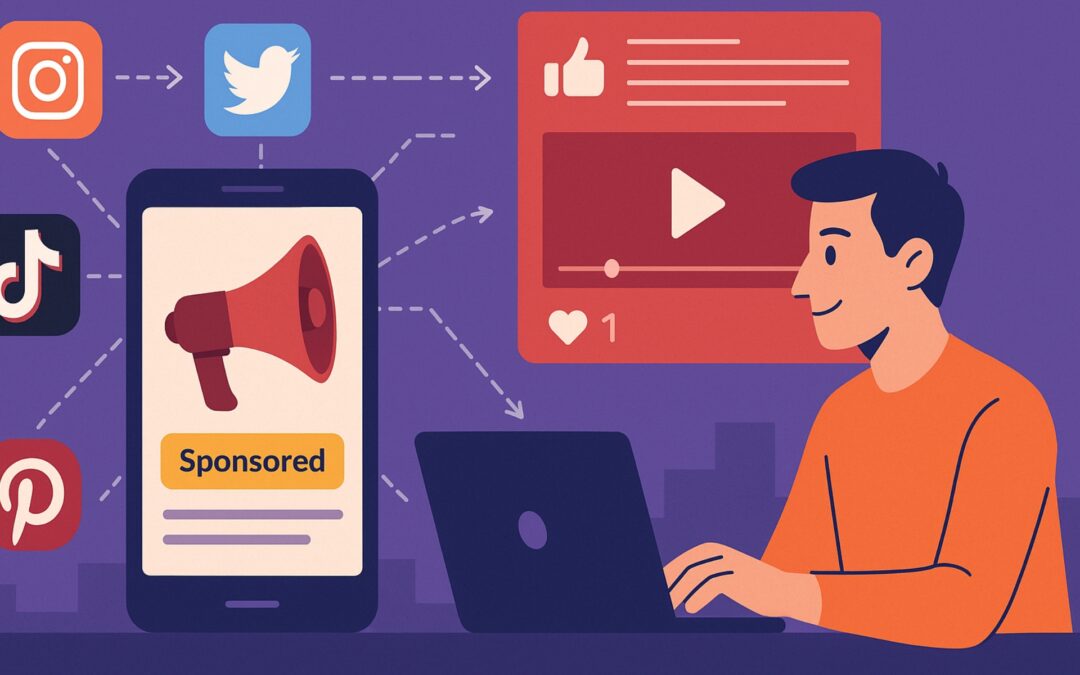
Advertising on social media is now an integral part of marketing for many companies. Whether on Instagram, TikTok, or Pinterest, social networks offer huge reach, diverse formats, and direct access to target groups. In Germany alone, millions of people use platforms such as Instagram and Facebook every day. So it's no wonder that spending in this area is also rising steadily. The advertising market is expected to be worth several billion euros by 2025.
But how does good social media advertising actually work? Which channels make sense? What content generates genuine interaction – and what should companies look out for to avoid wasting budget and time?
In this article, we provide a simple overview of the basics, platforms, trends, and practical tips for advertising on social media. We also show you how to use tools such as News Stream to leverage current news to plan your campaigns more efficiently and respond better to events.
What is advertising on social media? (Definition & benefits)
Social media advertising refers to paid content on social platforms such as Instagram, TikTok, or Twitter. Companies place targeted ads to attract new customers, increase brand awareness, or boost sales. This form of advertising is particularly effective because it takes place where people are already spending their time—in their everyday digital lives.
A distinction can be made between organic content (normal posts without payment) and paid advertising. Formats such as promoted ads, branded effects, or story ads make it possible to emotionally charge brands or promote specific products.
One major advantage is that companies can tailor their campaigns precisely to specific target groups—based on age, location, interests, or even user behavior.
Social media also provides immediate feedback: How many visitors click? How many seconds was a video viewed? Which content generates conversions? This enables precise analysis of results and rapid adjustment.
This overview from Sprinklr shows an example of how social media advertising can be used effectively. It explains how to set up a campaign step by step—from setting goals to measuring success.
The most important platforms for advertising on social media
Which platforms offer which advantages?
Advertising on social media only works well if you choose the right platforms for your target group. This is because each platform has its own style, community, and specific advertising formats. Here we provide an overview of four key channels.
Instagram advertising: Visual content with a wide reach
Instagram advertising is ideal for visual products, lifestyle topics, and young target groups. Ads appear between normal posts or in stories—short videos, product images, and branded effects are particularly popular. Through targeted advertising, you can display your content to users who are interested in your topic.
You can find more information on the right strategy in our article on social media consulting.
TikTok: Reach through trends and speed
TikTok thrives on short, creative clips – many brands rely on challenges or influencer campaigns here. Advertising on this platform is often particularly successful when it blends into the feed like a normal clip. But make sure you act fast: trends on TikTok become outdated within a few days.
As HubSpot shows, setting up a TikTok campaign is often easier than you might think – if you understand user habits.
Pinterest: Inspiration with strong purchase intent
Pinterest is not a classic social network, but rather a search engine for ideas. Especially in areas such as interior design, DIY, travel, or fashion, advertising can be placed here in a very targeted manner. Users save content that interests them – a perfect placement for brands with high-quality images or step-by-step templates.
For more on Pinterest and marketing in the B2B environment, we also recommend our article on Social Media Marketing B2B.
Twitter advertising: Current topics in real time
Twitter advertising works particularly well for news, events, or quick responses. Content should be short, concise, and to the point. A good example is its use at live events or for quickly posting current topics.
According to the Munich Chamber of Commerce and Industry (https://www.ihk-muenchen.de/de/Service/Digitalisierung/social-media-marketing/), Twitter is not a must for many companies, but for certain industries it is a valuable channel for staying in the conversation.
Which platform is right for your company?
Not every platform is suitable for every company. Targeted planning is important: Who is your target audience? What does your product look like? What content works best? Don't use platforms out of habit, but because they suit your customers' needs.
This comparison by Vertus provides a detailed overview of the advantages and disadvantages.

Strategic planning: How companies can reach their target audience efficiently
Good planning leads to better advertising
Successful advertising on social media starts with a well-thought-out strategy. Simply posting content rarely generates the desired traffic—instead, you need clear goals, a realistic budget, and good preparation. This is the only way to exploit the full potential of the platforms.
Who is your target audience?
The first question you should ask yourself is: Who do you want to reach? The more precisely you know your target audience, the better you can choose your content, tone, and platforms. For younger users, TikTok or Instagram work particularly well, while Pinterest and LinkedIn are more suitable for older target groups.
For example, if you want to reach self-employed people in the coaching sector, you should consider different factors than when promoting a fashion product.
Plan your budget realistically
Many companies underestimate the cost of a social media campaign. Depending on the industry and target audience, it can quickly run into millions of euros. According to a Statista survey, the budget for digital advertising is growing every year. Clear rules for planning help to keep track of expenses.
Important questions when allocating your budget:
A helpful approach: Start with a small amount, analyze the effectiveness of the content, and then adjust. If you test boldly but purposefully, you can achieve big gains with little risk.
Content that works
Even the best ads will fail if the text isn't right. What counts are clear messages, emotional images, and direct added value. Important: Tailor your content to the respective platform—a post that works on Facebook will quickly seem out of place on TikTok.
Here, too, templates or collaboration with a professional social media agency in your area can help you find the right style.
Results-oriented implementation
If you structure your campaign well, you will see initial results more quickly – whether that means more visitors to your site, more sales, or more attention for a new product. In addition to pure advertising, customer service is also crucial: quick responses to comments, likes, and messages improve your image and encourage interaction.
Transparent, regular checks help you identify errors early on. Set yourself fixed rules, such as: “analyze data once a week” or “adjust A/B testing after 7 days.”
Still unsure how to approach your first project? Then take a look at our overview of social media agency prices – here you can get a good idea of typical costs.

Trends & forecasts: How is advertising on social media developing?
What works today may be outdated tomorrow
Social media is constantly changing. Platforms are testing new formats, user behavior is changing, and algorithms are being adjusted. For companies, this means that if you want to advertise successfully, you have to stay informed and react flexibly. It is particularly important to keep an eye on current forecasts – i.e., assessments of how the market will develop.
Forecasts for 2025: More users, more opportunities
The number of active users on social platforms continues to grow. Worldwide, we are already talking about several billion users today. And with each new generation, more channels are added – TikTok and Pinterest in particular are currently experiencing strong growth.
In April 2025, for example, new advertising formats are expected on Instagram and YouTube Shorts. Those who get in early can benefit from this – a clear advantage over latecomers.
This is precisely why many companies rely on early warning systems for topics that could go viral. Tools such as News Stream help to identify new trends in real time – a clear competitive advantage when it comes to planning.
Identifying relevant topics early on
It is often small things that suddenly generate huge reach: a viral post, a meme, a comment. Those who understand these dynamics can react more quickly and in a more targeted manner. It is important not to simply follow every trend, but to select what suits your own brand.
A smart option is to hold weekly editorial meetings to gather information on current developments. Questions such as the following can help:
From trends to strategy
Of course, you shouldn't let yourself be driven by short-term trends. But they can provide impetus. The trick is to embed trends in your long-term strategy – and to implement content quickly but thoughtfully.
Larger companies in particular often work with an advertising agency that takes care of monitoring and editorial implementation. However, much can also be regulated internally if there are clear processes in place: What rules apply to ad hoc campaigns? Who decides what gets posted?
Fear of a shitstorm?
New opportunities also bring risks. One wrong post or one ill-considered action can trigger a shitstorm. Many companies now have fixed procedures for responding to criticism, whether in comments or direct messages.
Important: Stay calm, respond objectively, learn. Dealing with criticism well can even generate sympathy—and turn a fear-inducing topic into a strength.
Implementation in practice – How to launch your campaign
Planning becomes reality
After the strategy comes implementation. Now it's time to professionally prepare your content and launch your campaign. It's not just good design that counts, but above all placement: Does the content fit the platform? Is the ad being displayed at the right time?
Remember: every channel has its own characteristics. What works on Instagram may seem out of place on LinkedIn or Pinterest. It's also important to choose the right duration – not too short, but also not too long, so that your ad doesn't get lost.
Content that suits the target audience
Whether you work with Social Media Ads or rely on influencer marketing, the content must be right. Use high-quality images, strong messages, and a clear call to action. Also, make sure your message works on mobile devices, because social media is almost entirely online-driven.
Tools can also help: automated text suggestions, for example through AI, save time and ensure consistency in communication—without losing creativity.
Service and flexibility are crucial
Remember: social media thrives on interaction. Good customer service in the comments, quick responses to messages, and active community management are key factors for your long-term success.
In the next and final chapter, we'll look at measuring success—how to do it properly and what you can learn from the results.
Measuring success is more than just likes and clicks
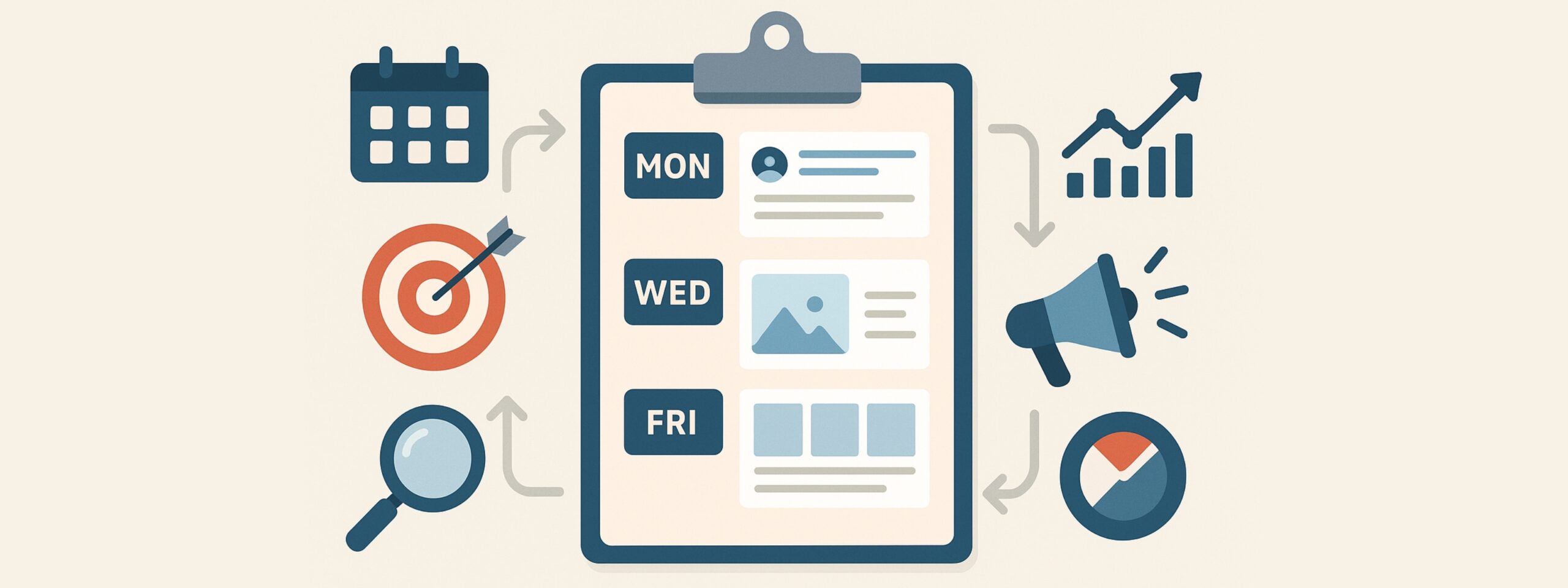
Anyone who takes the trouble to plan and implement advertising on social media wants to know: Was it worth the effort? The answer is provided by clear measurement of success. Because real results are not only reflected in likes, but in concrete figures such as traffic, conversion, sales, or new leads.
A good article alone is not enough—what matters is how this article is received by your target audience. Use the analysis tools provided by the platforms themselves or additional services such as Google Analytics to get a complete picture of your digital advertising.
Set goals – then optimize
Before you start, you should define what success means to you. Do you want to increase your visibility with Instagram or gain targeted B2B leads via LinkedIn? The metrics differ depending on the channel.
It is important to evaluate regularly and improve your content based on this data. This type of optimization is crucial to remaining competitive in a competitive market such as Germany—especially in the dynamic environment of Social Media Advertising and new social media apps.
A systematic approach to long-term success
Campaigns should not be one-offs. Those who focus on content, targeting, and data-driven decisions in the long term benefit from continuous improvement – and thus increase their return on investment (ROI) across every placement.
And if you need support getting started or have any questions, you can contact us at any time using our contact form. We'll help you strategically plan your next campaign, implement it effectively, and thus increase your marketing success in the long term.
This article shows how modern advertising works today
Whether Instagram, LinkedIn, Pinterest, or social media ads—this article has shown how companies can strategically plan, implement, and measurably optimize advertising on social media. Through targeted targeting, relevant content, and the use of appropriate platforms, it is possible not only to increase visibility but also to achieve real success—whether in the form of more traffic, higher conversion, or increased brand awareness. Especially in the highly competitive online market in Germany, it is clear that those who work systematically and with a clear focus will remain competitive in the long term – and can successfully use social media as an integral part of their marketing.