%20--%3e%3cdefs%3e%3cstyle%3e%20.st0%20{%20fill:%20%23a5d028;%20}%20.st1%20{%20fill:%20%23fff;%20}%20.st2%20{%20fill:%20%231de2db;%20}%20.st3%20{%20fill:%20%2341bdf9;%20}%20%3c/style%3e%3c/defs%3e%3cg%20id='logo-unaice-line'%3e%3cpath%20class='st1'%20d='M143.3,36.1c-1.2,0-2.1-.9-2.1-2.1V12.2c0-1.2.9-2.1,2.1-2.1s2.1.9,2.1,2.1v21.8c0,1.2-.9,2.1-2.1,2.1ZM143.2,6.2c-1.3,0-2.4-1-2.4-2.4v-.8c0-1.3,1-2.4,2.4-2.4s2.4,1.1,2.4,2.4v.8c0,1.3-1.1,2.4-2.4,2.4Z'/%3e%3cpath%20class='st3'%20d='M23.7,36.1H2c-.5,0-1-.4-1-1V2.3c0-.5.4-1,1-1h21.7c.5,0,1,.4,1,1v32.9c0,.5-.4,1-1,1'/%3e%3cpath%20class='st2'%20d='M41.8,36.1h-14.4c-.5,0-1-.4-1-1v-14.5c0-.5.4-1,1-1h14.4c.5,0,1,.4,1,1v14.5c0,.5-.4,1-1,1'/%3e%3cpath%20class='st0'%20d='M41.8,17.9h-14.4c-.5,0-1-.4-1-1V2.2c0-.5.4-1,1-1h14.4c.5,0,1,.4,1,1v14.7c0,.5-.4,1-1,1'/%3e%3c/g%3e%3cpath%20class='st1'%20d='M196.4,29.2c-2.1,2.1-3.6,3.2-7.1,3.2s-7.4-2.3-8.2-7.4h16.7c2.7,0,2.9-1.9,2.7-4-.7-6.2-5.3-11.2-11.6-11.2s-12.3,5.1-12.3,13.4,5.4,13.3,12.6,13.3,8.3-2.6,10-4.3c1.8-2.1-1.2-4.7-2.8-3ZM188.9,13.7c4.7,0,7.3,4.1,7.6,7.3h-15.3c.7-4.3,3.4-7.3,7.7-7.3Z'/%3e%3cpath%20class='st1'%20d='M132.1,12.9c-1.9-1.9-5.4-2.9-8.2-2.9s-5.3.5-8.2,1.8c-2.4,1-.9,5,1.6,3.7,2.1-1,3.3-1.5,6.3-1.5s6.7,1.1,6.8,6.1c-1.8-.5-2.7-.8-6.9-.8-6.8,0-11.3,3.3-11.3,8.8s4.1,8.4,10.1,8.4,5.4-.6,8.3-2.9v.5c0,2.8,4.2,2.6,4.2,0v-13.8c0-3.1-.8-5.5-2.7-7.4ZM130.4,26.2c0,3.6-3.4,6.3-8,6.3s-5.9-1.7-5.9-4.6,2.5-4.6,6.8-4.6c0,0,4.8,0,7.1,1v1.9Z'/%3e%3cpath%20class='st1'%20d='M80,36.1c-1.2,0-2.1-.9-2.1-2.1V3.4c0-1.2,1-2.2,2.2-2.2h.4c.8,0,1.4.4,2,1.1l20.2,25.7V3.4c0-1.2.9-2.1,2.1-2.1s2.1.9,2.1,2.1v30.7c0,1.1-.5,2-1.9,2s-1.9-.8-2.2-1.2l-20.7-26.2v25.3c0,1.2-.9,2.1-2.1,2.1Z'/%3e%3cpath%20class='st1'%20d='M60.2,36.5c-5.1,0-10.5-4.3-10.5-10.7v-13.5c0-1.2.9-2.1,2.1-2.1s2.1.9,2.1,2.1v13.1c0,4.5,2.5,7.1,6.6,7.1s7.3-3.2,7.3-7.5v-12.7c0-1.2.9-2.1,2.1-2.1s2.1.9,2.1,2.1v21.8c0,2.8-4.2,2.7-4.2,0v-.5c-1.5,1.6-3.3,2.9-7.6,2.9Z'/%3e%3cpath%20class='st1'%20d='M163.8,36.5c-7.1,0-13.1-6-13.1-13.3s4.8-13.5,13.5-13.5c4.4,0,6.9,2,8.8,3.7,1.8,1.5-.8,5.1-2.8,3.3-.8-.8-3.3-3-6.4-3-4.8,0-8.6,4-8.6,9.2s3.8,9.3,8.6,9.4c3.7,0,4.9-1,7-3.1,1.6-1.8,4.6,1,3,2.8-3,3-5.7,4.5-10,4.5h0Z'/%3e%3c/svg%3e)
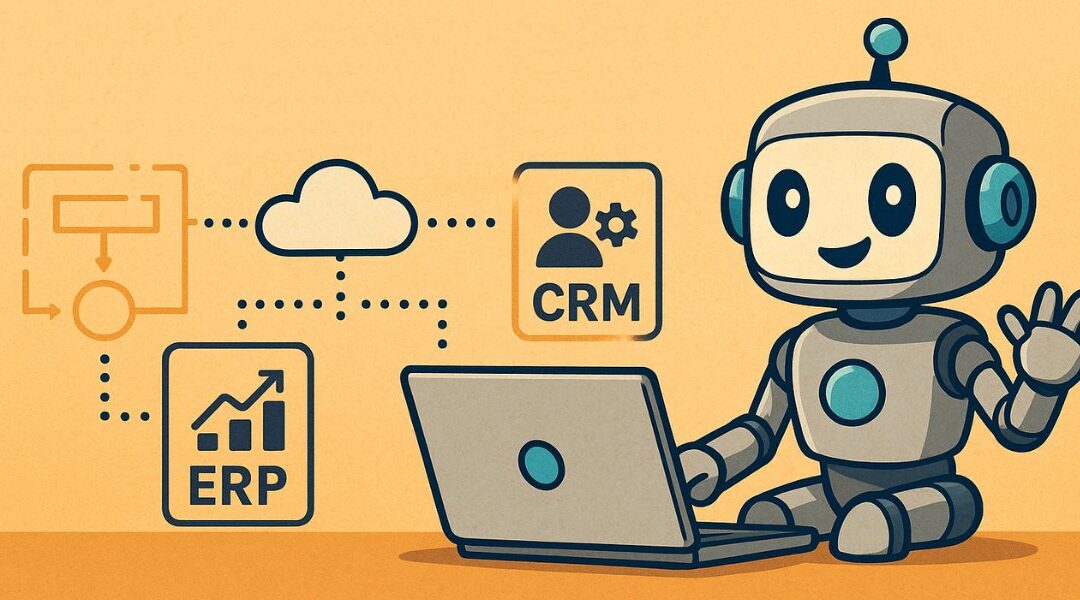
Companies that connect their ERP/CRM systems in a meaningful way create a strong foundation for efficient work, clear processes, and better decisions. In this article, we explain in simple terms how both worlds interact and why a modern data strategy—such as that made possible with DataNaicer—can become a real competitive advantage.
Apps and processes: A clear definition to get you started
Many companies today use individual apps to manage data, tasks, or teams. However, they often lack the uniform structure necessary for smooth processes. This is precisely where the distinction between ERP and CRM lies:
Both systems complement each other perfectly and enable efficiency, optimization, clear information, and greater transparency. If you want to delve deeper into the subject, you will find a good introduction at SAP.
Especially at the beginning, it also helps to have a clear definition and focus on which data is really important. This forms the basis for a uniform database – often underestimated, but enormously valuable.
The right software as a solution for modern companies
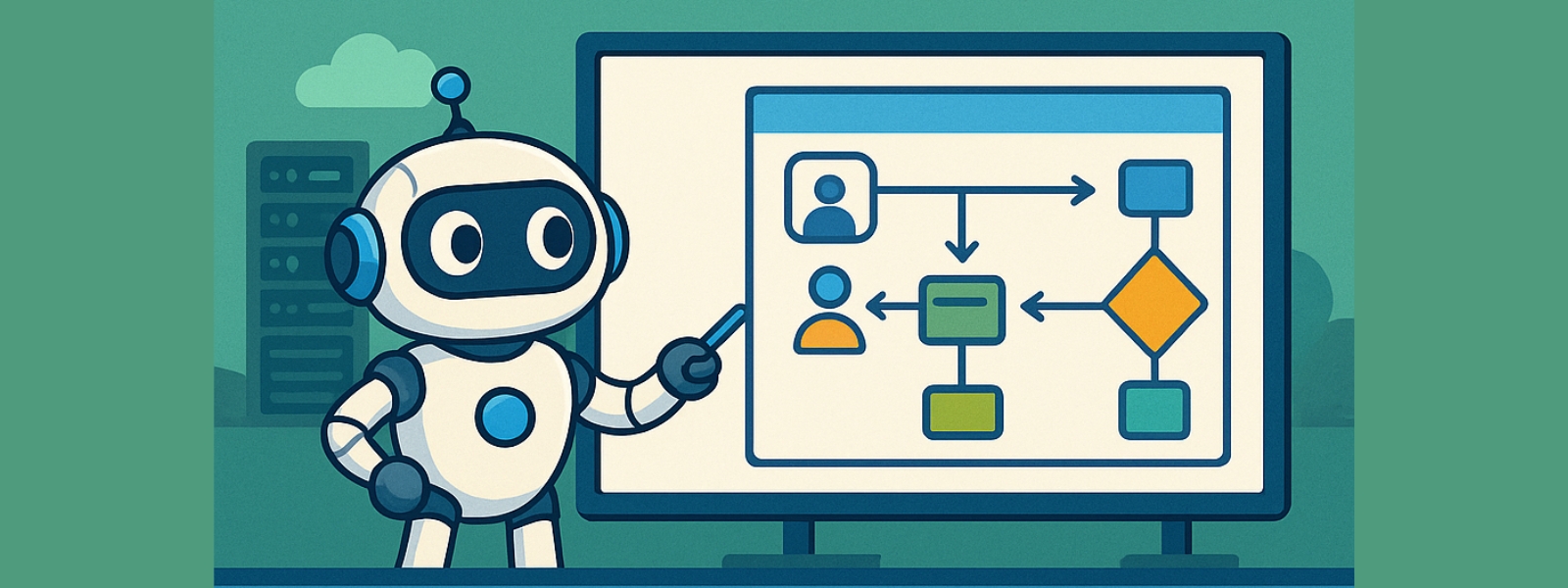
An ERP is a central software for companies to control data and processes. A CRM supports customer relationship management and ensures improved customer loyalty. Together, they form a complete solution that relieves internal teams and enables better analysis.
When selecting a suitable solution, it must be clear that many companies fail not because of the systems themselves, but because of the data. Different formats, missing attributes, manual processing—these things slow teams down and increase costs.
This creates a growing need for intelligent automation that structures data cleanly and thus improves its usability. For inspiration, take a look at Unit4.
A clean, well-maintained data foundation not only improves quality, but also leads to higher profitability, better performance, and greater customer satisfaction in the long term.

Companies between production, manufacturing, and administration: Where ERP/CRM becomes visible
Companies that combine production and manufacturing in particular benefit from clear systems. In day-to-day business, fast reports, real figures, simple documentation, precise planning, and structured modules are what count.
ERP and CRM combine hard data (e.g., dimensions, materials, technical attributes) with soft data (e.g., customer history, support requests). This improves sales management, strengthens customer loyalty, and enables targeted sales growth.
However, many processes are still characterized by manual tasks, duplicate entries, or a lack of time tracking. This is precisely why modern companies are increasingly relying on AI-supported data processing.
A practical comparison can be found at Abas ERP.

Improvement through automated processes: How data quality makes the difference
When CRM and ERP are connected, a digital cycle is created: Data flows automatically through systems and is available to teams everywhere. This ensures:
But this only works if the data is consistent. This is exactly where DataNaicer comes into play. Many customers now use it to transform unstructured information from manufacturer texts or tables into clear attributes.
This reduces manual work and increases productivity at the same time – often many times over. Companies that work with thousands of items every day in particular report significant advantages such as better reporting, a stable central database, and cleaner corporate management.
If you are interested in this topic, you can also find a good introduction to product structures in our articles on ▶ PIM.
External perspectives such as those from Applus ERP also show that without solid data, any process optimization becomes difficult.

Uniform database: Why DataNaicer is ideal for ERP CRM
An ERP/CRM system only reaches its full potential when all data is harmonized. This means: identical attributes, identical structure, identical logic. Only then can processes, work, and systems interact seamlessly.
With DataNaicer, companies can:
The integration of ERP, CRM, and product data classifications can only be successful if the data is properly maintained. The following related content is relevant here:
Many companies start with a non-binding consultation and then test a small amount of data. This is often enough to identify potential savings of hundreds of hours.
If you like, we would be happy to take a look at your data together—in a relaxed atmosphere and with no obligation.
Optimization for the future: How companies achieve real revenue growth
ERP/CRM systems not only create order—they enable growth. Clean data and automated processes make performance more measurable, teams work faster, and optimization happens continuously.
Companies often report that they:
The use of AI systems such as DataNaicer helps to make this process more efficient without placing additional strain on the team. The technology takes care of the tedious steps – humans make the important decisions.
Those who want to take a small first step often start with just one product category or a clear data problem. We offer a no-obligation initial consultation for exactly this purpose.

Conclusion: ERP/CRM and clean data – the basis of modern business management
The combination of ERP and CRM only brings real benefits if data is structured, complete, and cleanly maintained. A modern complete solution consisting of systems, clear processes, and automated data preparation achieves exactly that: less manual work, greater efficiency, better decisions, and genuine customer proximity.
If you would like to find out how well your data is already set up and where there is potential for improvement, please feel free to contact us without obligation. Together, we will check whether DataNaicer can help you – completely risk-free.