%20--%3e%3cdefs%3e%3cstyle%3e%20.st0%20{%20fill:%20%23a5d028;%20}%20.st1%20{%20fill:%20%23fff;%20}%20.st2%20{%20fill:%20%231de2db;%20}%20.st3%20{%20fill:%20%2341bdf9;%20}%20%3c/style%3e%3c/defs%3e%3cg%20id='logo-unaice-line'%3e%3cpath%20class='st1'%20d='M143.3,36.1c-1.2,0-2.1-.9-2.1-2.1V12.2c0-1.2.9-2.1,2.1-2.1s2.1.9,2.1,2.1v21.8c0,1.2-.9,2.1-2.1,2.1ZM143.2,6.2c-1.3,0-2.4-1-2.4-2.4v-.8c0-1.3,1-2.4,2.4-2.4s2.4,1.1,2.4,2.4v.8c0,1.3-1.1,2.4-2.4,2.4Z'/%3e%3cpath%20class='st3'%20d='M23.7,36.1H2c-.5,0-1-.4-1-1V2.3c0-.5.4-1,1-1h21.7c.5,0,1,.4,1,1v32.9c0,.5-.4,1-1,1'/%3e%3cpath%20class='st2'%20d='M41.8,36.1h-14.4c-.5,0-1-.4-1-1v-14.5c0-.5.4-1,1-1h14.4c.5,0,1,.4,1,1v14.5c0,.5-.4,1-1,1'/%3e%3cpath%20class='st0'%20d='M41.8,17.9h-14.4c-.5,0-1-.4-1-1V2.2c0-.5.4-1,1-1h14.4c.5,0,1,.4,1,1v14.7c0,.5-.4,1-1,1'/%3e%3c/g%3e%3cpath%20class='st1'%20d='M196.4,29.2c-2.1,2.1-3.6,3.2-7.1,3.2s-7.4-2.3-8.2-7.4h16.7c2.7,0,2.9-1.9,2.7-4-.7-6.2-5.3-11.2-11.6-11.2s-12.3,5.1-12.3,13.4,5.4,13.3,12.6,13.3,8.3-2.6,10-4.3c1.8-2.1-1.2-4.7-2.8-3ZM188.9,13.7c4.7,0,7.3,4.1,7.6,7.3h-15.3c.7-4.3,3.4-7.3,7.7-7.3Z'/%3e%3cpath%20class='st1'%20d='M132.1,12.9c-1.9-1.9-5.4-2.9-8.2-2.9s-5.3.5-8.2,1.8c-2.4,1-.9,5,1.6,3.7,2.1-1,3.3-1.5,6.3-1.5s6.7,1.1,6.8,6.1c-1.8-.5-2.7-.8-6.9-.8-6.8,0-11.3,3.3-11.3,8.8s4.1,8.4,10.1,8.4,5.4-.6,8.3-2.9v.5c0,2.8,4.2,2.6,4.2,0v-13.8c0-3.1-.8-5.5-2.7-7.4ZM130.4,26.2c0,3.6-3.4,6.3-8,6.3s-5.9-1.7-5.9-4.6,2.5-4.6,6.8-4.6c0,0,4.8,0,7.1,1v1.9Z'/%3e%3cpath%20class='st1'%20d='M80,36.1c-1.2,0-2.1-.9-2.1-2.1V3.4c0-1.2,1-2.2,2.2-2.2h.4c.8,0,1.4.4,2,1.1l20.2,25.7V3.4c0-1.2.9-2.1,2.1-2.1s2.1.9,2.1,2.1v30.7c0,1.1-.5,2-1.9,2s-1.9-.8-2.2-1.2l-20.7-26.2v25.3c0,1.2-.9,2.1-2.1,2.1Z'/%3e%3cpath%20class='st1'%20d='M60.2,36.5c-5.1,0-10.5-4.3-10.5-10.7v-13.5c0-1.2.9-2.1,2.1-2.1s2.1.9,2.1,2.1v13.1c0,4.5,2.5,7.1,6.6,7.1s7.3-3.2,7.3-7.5v-12.7c0-1.2.9-2.1,2.1-2.1s2.1.9,2.1,2.1v21.8c0,2.8-4.2,2.7-4.2,0v-.5c-1.5,1.6-3.3,2.9-7.6,2.9Z'/%3e%3cpath%20class='st1'%20d='M163.8,36.5c-7.1,0-13.1-6-13.1-13.3s4.8-13.5,13.5-13.5c4.4,0,6.9,2,8.8,3.7,1.8,1.5-.8,5.1-2.8,3.3-.8-.8-3.3-3-6.4-3-4.8,0-8.6,4-8.6,9.2s3.8,9.3,8.6,9.4c3.7,0,4.9-1,7-3.1,1.6-1.8,4.6,1,3,2.8-3,3-5.7,4.5-10,4.5h0Z'/%3e%3c/svg%3e)
E-commerce is much more than just a digital sales channel. It forms the backbone of modern business models and is fundamentally changing how people shop, companies sell, and data is processed. Whether you're a global corporation or a local start-up, e-commerce offers enormous opportunities—but also complex requirements.
This article provides a clear definition, discusses current developments in online retail, and offers specific recommendations for action. The aim is to explain e-commerce from a business perspective—from initial planning to technical implementation. We also show why high-quality product data in real time is a real competitive advantage—and how intelligent software solutions such as DataNaicer can help.
What exactly is e-commerce?
E-commerce – also known in common parlance as electronic commerce – refers to the buying and selling of products or services via the Internet. This includes not only online shops, but also large marketplaces such as Amazon or specialized platforms for specific product categories.
Electronic commerce encompasses more than just the sales process. It also includes ordering, processing, delivery, customer service, and all communication with buyers. Especially in the food sector or when dealing with complicated products, a clearly structured process is crucial for high satisfaction.
According to statistics, the e-commerce market in Germany generates annual sales in the billions of euros. Online retail has long since become the central sales channel for many companies.
Für Gründer provides a solid introduction to the basics as a good starting point: https://www.fuer-gruender.de/wissen/unternehmen-fuehren/e-commerce/.
Note: Many companies face the challenge of providing thousands of pieces of information correctly and efficiently. Solutions such as DataNaicer enable automatic data enrichment with a high degree of consistency – while saving valuable resources.
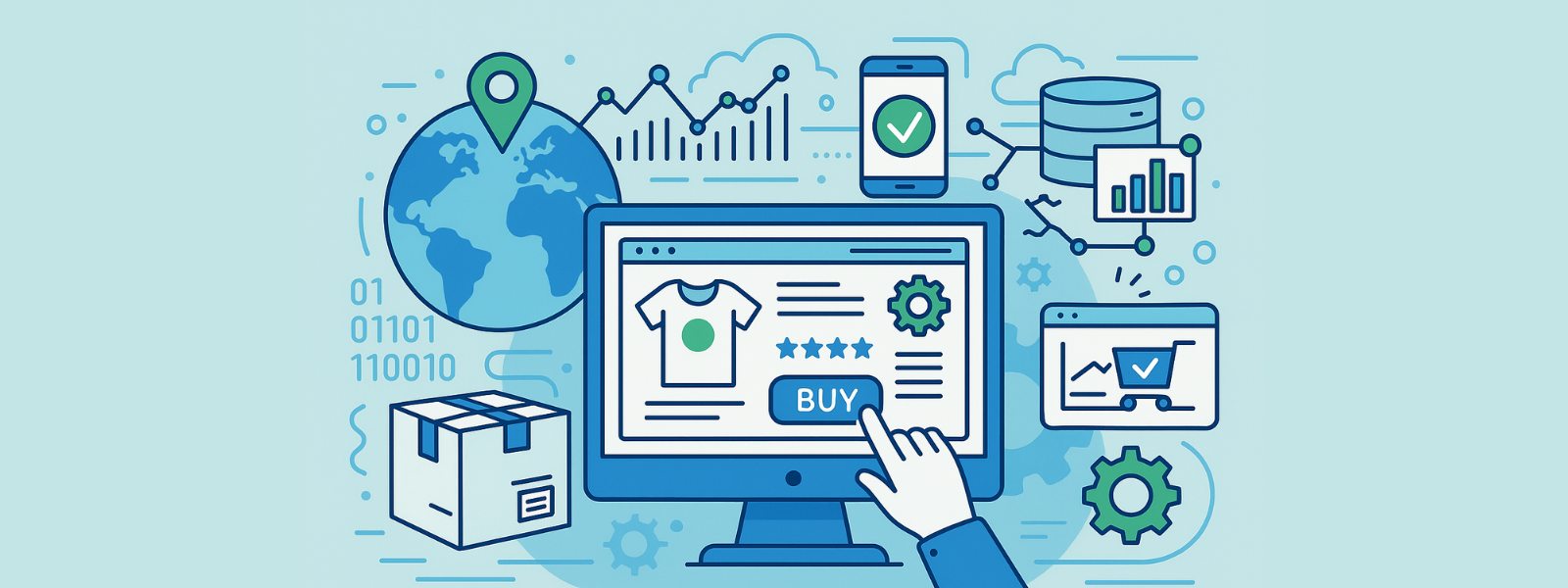
The perfect start in online retail / online marketplace / shop
Getting started in online retail begins with a fundamental decision: your own online shop or selling via existing platforms such as Amazon FBA? Both options have advantages and disadvantages. If you decide to set up your own shop, you should not underestimate the technical requirements, financial outlay, and necessary infrastructure.
Aspects such as data security, software selection, and the quality of product presentation are particularly relevant. Setting up a shop requires clear rules for data maintenance in order to avoid subsequent effort in post-processing.
Online shop systems and ERP software such as those offered by weclapp help with structured implementation: https://www.weclapp.com/de/lexikon/e-commerce/.
With the help of DataNaicer, information can be processed in a structured manner right from the start. The use of a proof of concept is particularly useful in the initial phase. This allows you to check whether your own database can be processed automatically and scalably – without overloading your staff.

What role do marketplaces such as Amazon play in e-commerce?
A central component of today's e-commerce is sales via marketplaces. Amazon in particular has established itself as a leading sales channel – not only in Germany, but worldwide. The advantage: reach, trust, and existing infrastructure. The disadvantage: high price pressure, lack of customer data, and strong dependence.
Amazon FBA (Fulfillment by Amazon) takes care of storage, shipping, and returns—a huge relief for retailers. But this is precisely where it becomes clear: if you don't present your products in the best possible light, you will lose customers. A blurry product image or an incomplete description—and potential buyers will choose another offer.
To ensure that products are presented efficiently and correctly on a marketplace such as Amazon, structured data is required. This is virtually impossible to achieve manually, especially with larger product ranges. This is where DataNaicer offers a real advantage: information is generated automatically from existing data – complete, compliant, and scalable.
Shopify provides insights into successful retailer strategies, including for Amazon and other marketplaces.

Why having your own online store still makes sense
Despite the reach of Amazon and Co., many companies additionally or exclusively rely on their *own online store**. The advantages are obvious: complete control over design, data, user guidance – and, above all, your own customer relationships. This is the only way to ensure genuine personalization and a consistent brand image.
A shop enables personal communication, flexible pricing, and direct response to user behavior—an advantage when it comes to fast response times. However, setting up your own shop is no trivial matter. It requires clear rules for data maintenance, a suitable software solution, and a stable infrastructure.
When setting up a shop, it is crucial to structure content correctly, completely, and in a search-friendly manner. Here, too, DataNaicer saves a lot of time. The solution automatically enriches data and prepares content so that it is not only complete but also performs well..
The platform ecommerce.de provides an example of digital shop concepts, with a focus on current trends in the industry.

Why good software determines success or failure
Choosing the right software is one of the most important decisions in e-commerce. It influences not only the shop structure, but also the presentation of products, transactions, warehousing, and communication with customers. Without functioning systems, a good product offering can quickly turn into a poor purchasing experience.
This often raises the question: Should you combine everything in one system or use modular solutions? Both options offer advantages. It is important that the software meets your personal requirements and can be adapted to new requirements—without additional bureaucracy or unnecessary detours.
A good example of a central data solution is the use of DataNaicer. Here, a flexible model based on defined rules and intelligent AI is used to enrich every piece of information where it is needed – automatically, in any desired language, and without media breaks. This turns technical requirements into a real competitive advantage.

How personalization makes the difference
Modern online shops thrive on a unique shopping experience. Customers expect relevant suggestions, a personal approach, and suitable recommendations – all in real time. Personalization is a deciding factor in whether a customer stays or switches to the next provider.
But how can this be achieved? Structured, complete data on the product and user behavior are prerequisites. Only when this information is neatly linked can a system recognize which product is desired. Here, too, the same applies: without data quality, there can be no targeted approach.
DataNaicer helps to create precisely these conditions. Semantic processing of the information creates a data foundation that enables unique delivery across all channels – from online shops to recommendation emails. The ability to deliver targeted content significantly increases conversion rates.
A traditional shop that does not offer this today appears to customers like an outdated store without advice – interchangeable and inefficient. Digital personal advice is no longer an extra, but standard.
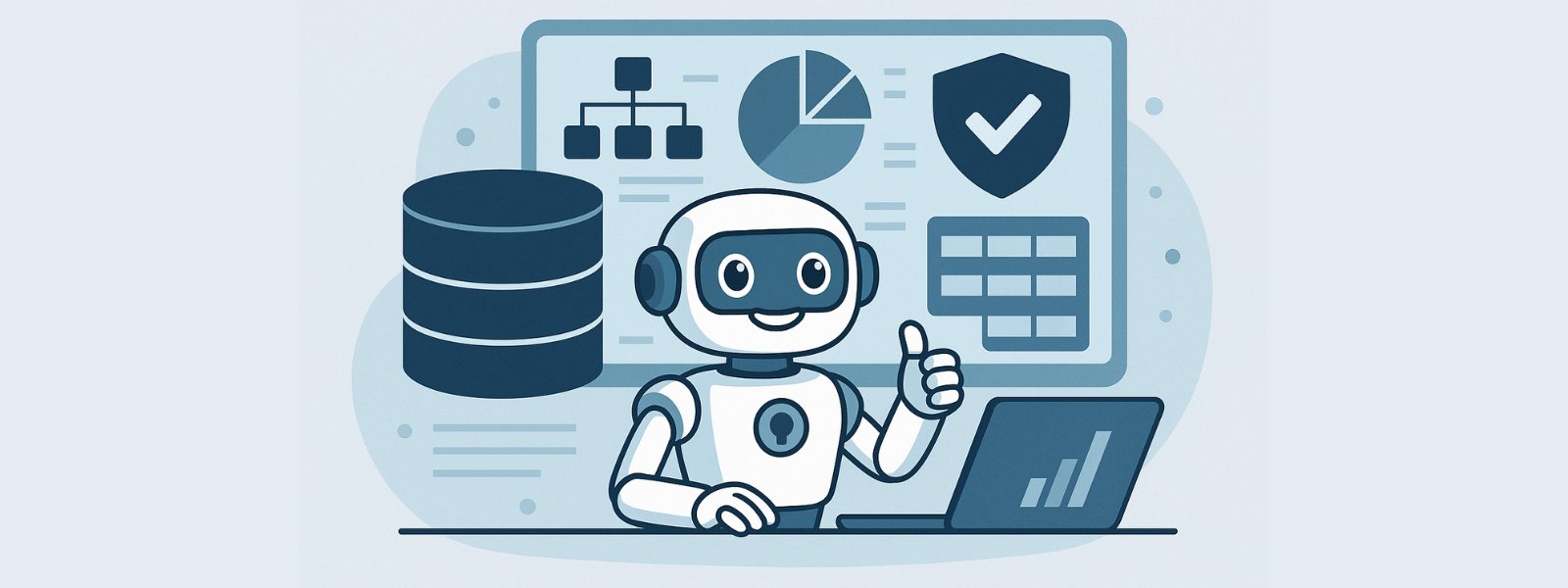
Online retail and its mission: efficiency and data quality
Modern online retail is no longer just about reach or low prices. The central mission is to automate processes, avoid errors, and use data strategically. Companies that take a consistent approach here secure a long-term advantage in terms of conversion, scaling, and satisfaction.
But what is the biggest obstacle? Poor data quality. Manually combining product data from different sources leads to inconsistencies, duplicates, and confusion—both for the system and for buyers. This results in queries, unnecessary phone support time, and lost sales.
This is where DataNaicer comes in: it automatically converts unstructured data into usable information. PDFs, spreadsheets, and XML files are transformed into a uniform structure. This not only saves time, it also creates the basis for clean, scalable online commerce.
What good product data has in common with a book
A good product data sheet works like a book: it tells buyers what they need to know at a glance – clearly, completely, and comprehensibly. What happens when information is missing? The customer leaves the site. What happens when information is contradictory? The customer doubts the quality.
Everyone who shops online expects reliability. One wrong size, one incorrect material, or one unclear delivery note is enough to stop a purchase. The problem is usually not a lack of will—it's a lack of structure.
DataNaicer breaks this rule: Instead of chaotic Excel lists or manual maintenance, the solution enables standardized, automatic data enrichment – in high quality and in many languages. This creates a clear, understandable data flow that builds trust.
A shop that presents its products in this way appears professional, reduces support costs, and delivers exactly what customers need – immediately.
Why clear definitions are crucial in e-commerce
E-commerce is not a protected term, but a clear definition is important in order to be able to control processes in a targeted manner. What counts as electronic commerce, what roles do platforms play, what goals do companies pursue – and where does the distinction from traditional retail begin?
Gerade in der digitalen Welt ist klare Sprache ein Wettbewerbsvorteil. Wenn Produktdaten nicht eindeutig sind, entstehen Fehler in der Suche, beim Checkout oder sogar bei der Logistik. Das betrifft kleine Onlineshops genauso wie große Multichannel-Business-Modelle mit Standorten Weltweit.
In the digital world in particular, clear language is a competitive advantage. If product data is unclear, errors can occur in searches, at checkout, or even in logistics. This affects small online shops as well as large multichannel business models with locations worldwide.
DataNaicer brings order to precisely these structures.
What real results say about the quality of the solution
The impact of DataNaicer on real processes is evident not only in figures, but also in the feedback from those involved. Here is an overview:
| Statement | Role | Statement about the solution |
|---|---|---|
| “What used to be overlooked is now immediately noticed by AI. This saves us countless correction loops.” | Product Manager | quality through AI-supported testing |
| “We have fundamentally changed our processes – validation instead of typing.” | Head of Data Management | new focus in everyday team work |
| “With DataNaicer, we have already been able to successfully launch the first product classes – with measurable savings.” | Project Management | early ROI in the process |
The feedback mentioned above shows that the shift to automated data maintenance is not a risk, but rather a calculable investment in future viability, efficiency, and a better user experience. Control always remains with the company—for example, via the integrated Validation Station, where results can be validated and trained.
And this is precisely where the difference lies: DataNaicer does not offer a one-size-fits-all solution, but rather a customizable model that is tailored to individual processes and structures. This turns your online presence into a real advantage, not a new bureaucracy.

Successful start-up in e-commerce – with the right foundation
Starting your own online business is easier than ever today – from a technical point of view. But anyone who thinks that a shop system alone is enough is underestimating the real challenges. Because in addition to a visually appealing shop, one thing is essential: robust data structures.
Whether it's a niche shop or a platform model, digital commerce is based on trust and transparency. Buyers want accurate, real-time product information. Those who can't deliver this will lose sales and relevance.
This is where the difference begins: DataNaicer provides a scalable model for automatic data maintenance right from the start-up process. Instead of getting lost in spreadsheets and PDFs, a clear database is created for all further processes – from ERP to plugins.
Companies that rely on structured product data early on save themselves high correction costs later on, unnecessary financial investments, and tedious rework when expanding abroad or into new markets.
Added value through digitalization: business factors that matter
E-commerce is not a coincidence. There are certain factors that determine a company's growth and sales. These include, among others:
The functionality of the shop alone is of no benefit if the data behind it is incorrect. This is precisely why fast-growing companies invest in automated systems at an early stage. DataNaicer not only enables a solid database, but also flexible use across all sales channels – locally and internationally.
This is a clear advantage over many well-known providers who rely on standards instead of mapping individual business processes.
Cleanly prepared information also improves search engine optimization, which in turn has a positive impact on visibility, presence, and conversion. If you want your brand to be remembered, you need clean data.
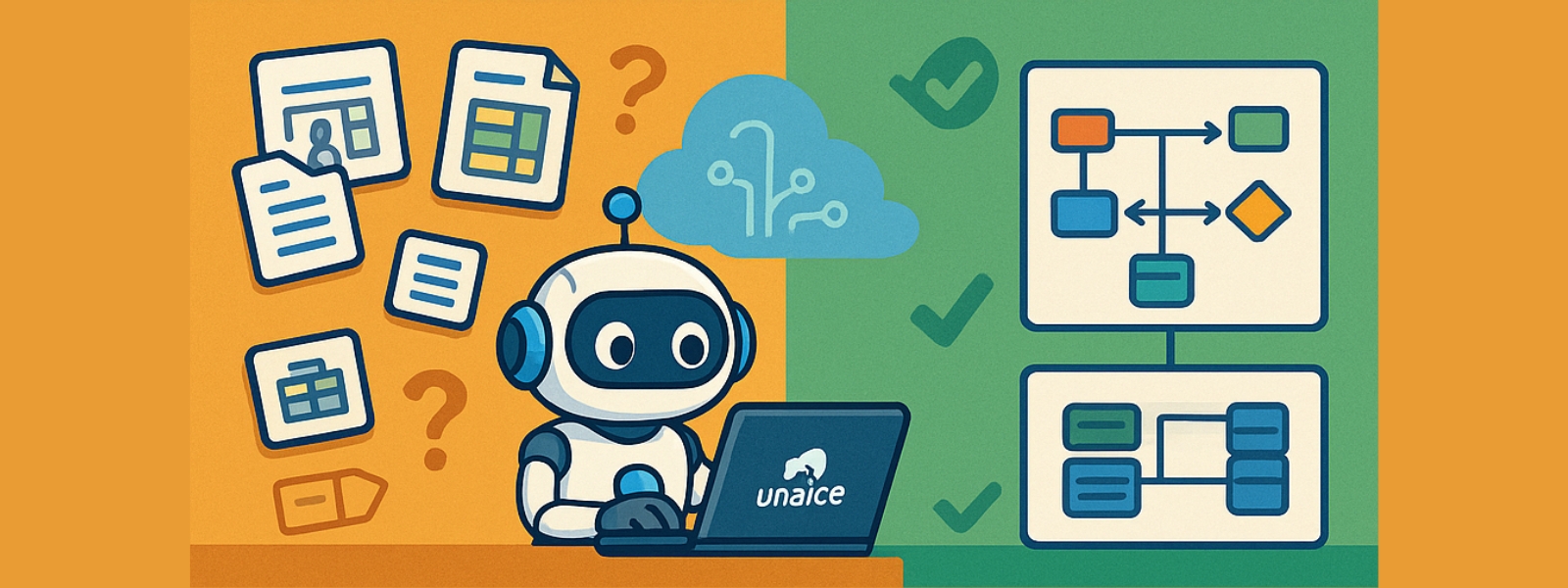
Conclusion: Data-driven e-commerce is not an option – it's a must
Electronic commerce is changing rapidly. Online shops, marketplaces, multichannel models – everything is developing faster, becoming more complex and based on data. If you want to survive in this environment, you need a solid foundation: structured, scalable and error-free product data.
What used to work with Excel and manual maintenance is no longer competitive today. The demands on data quality, speed, and consistency are increasing—whether for your own store, when expanding abroad, or on platforms such as Amazon.
This is where DataNaicer comes in: as a scalable solution for automatic data enrichment, it creates order, efficiency, and transparency. Companies that embrace this technology early on secure decisive advantages in terms of sales, brand impact, customer satisfaction, and process costs.
If you want to act now, you can take the first step without any risk: Start with a no-obligation test project – or talk to us directly about your data challenge.
Ready for the next step?
Contact us for a no-obligation consultation about your data project.
Contact us nowOr start with one of our practical blog posts:
The path to data-driven e-commerce begins today. And it starts with the right structure.
If you're ready to save time, reduce costs, and professionally expand your digital presence, let's talk.