%20--%3e%3cdefs%3e%3cstyle%3e%20.st0%20{%20fill:%20%23a5d028;%20}%20.st1%20{%20fill:%20%23fff;%20}%20.st2%20{%20fill:%20%231de2db;%20}%20.st3%20{%20fill:%20%2341bdf9;%20}%20%3c/style%3e%3c/defs%3e%3cg%20id='logo-unaice-line'%3e%3cpath%20class='st1'%20d='M143.3,36.1c-1.2,0-2.1-.9-2.1-2.1V12.2c0-1.2.9-2.1,2.1-2.1s2.1.9,2.1,2.1v21.8c0,1.2-.9,2.1-2.1,2.1ZM143.2,6.2c-1.3,0-2.4-1-2.4-2.4v-.8c0-1.3,1-2.4,2.4-2.4s2.4,1.1,2.4,2.4v.8c0,1.3-1.1,2.4-2.4,2.4Z'/%3e%3cpath%20class='st3'%20d='M23.7,36.1H2c-.5,0-1-.4-1-1V2.3c0-.5.4-1,1-1h21.7c.5,0,1,.4,1,1v32.9c0,.5-.4,1-1,1'/%3e%3cpath%20class='st2'%20d='M41.8,36.1h-14.4c-.5,0-1-.4-1-1v-14.5c0-.5.4-1,1-1h14.4c.5,0,1,.4,1,1v14.5c0,.5-.4,1-1,1'/%3e%3cpath%20class='st0'%20d='M41.8,17.9h-14.4c-.5,0-1-.4-1-1V2.2c0-.5.4-1,1-1h14.4c.5,0,1,.4,1,1v14.7c0,.5-.4,1-1,1'/%3e%3c/g%3e%3cpath%20class='st1'%20d='M196.4,29.2c-2.1,2.1-3.6,3.2-7.1,3.2s-7.4-2.3-8.2-7.4h16.7c2.7,0,2.9-1.9,2.7-4-.7-6.2-5.3-11.2-11.6-11.2s-12.3,5.1-12.3,13.4,5.4,13.3,12.6,13.3,8.3-2.6,10-4.3c1.8-2.1-1.2-4.7-2.8-3ZM188.9,13.7c4.7,0,7.3,4.1,7.6,7.3h-15.3c.7-4.3,3.4-7.3,7.7-7.3Z'/%3e%3cpath%20class='st1'%20d='M132.1,12.9c-1.9-1.9-5.4-2.9-8.2-2.9s-5.3.5-8.2,1.8c-2.4,1-.9,5,1.6,3.7,2.1-1,3.3-1.5,6.3-1.5s6.7,1.1,6.8,6.1c-1.8-.5-2.7-.8-6.9-.8-6.8,0-11.3,3.3-11.3,8.8s4.1,8.4,10.1,8.4,5.4-.6,8.3-2.9v.5c0,2.8,4.2,2.6,4.2,0v-13.8c0-3.1-.8-5.5-2.7-7.4ZM130.4,26.2c0,3.6-3.4,6.3-8,6.3s-5.9-1.7-5.9-4.6,2.5-4.6,6.8-4.6c0,0,4.8,0,7.1,1v1.9Z'/%3e%3cpath%20class='st1'%20d='M80,36.1c-1.2,0-2.1-.9-2.1-2.1V3.4c0-1.2,1-2.2,2.2-2.2h.4c.8,0,1.4.4,2,1.1l20.2,25.7V3.4c0-1.2.9-2.1,2.1-2.1s2.1.9,2.1,2.1v30.7c0,1.1-.5,2-1.9,2s-1.9-.8-2.2-1.2l-20.7-26.2v25.3c0,1.2-.9,2.1-2.1,2.1Z'/%3e%3cpath%20class='st1'%20d='M60.2,36.5c-5.1,0-10.5-4.3-10.5-10.7v-13.5c0-1.2.9-2.1,2.1-2.1s2.1.9,2.1,2.1v13.1c0,4.5,2.5,7.1,6.6,7.1s7.3-3.2,7.3-7.5v-12.7c0-1.2.9-2.1,2.1-2.1s2.1.9,2.1,2.1v21.8c0,2.8-4.2,2.7-4.2,0v-.5c-1.5,1.6-3.3,2.9-7.6,2.9Z'/%3e%3cpath%20class='st1'%20d='M163.8,36.5c-7.1,0-13.1-6-13.1-13.3s4.8-13.5,13.5-13.5c4.4,0,6.9,2,8.8,3.7,1.8,1.5-.8,5.1-2.8,3.3-.8-.8-3.3-3-6.4-3-4.8,0-8.6,4-8.6,9.2s3.8,9.3,8.6,9.4c3.7,0,4.9-1,7-3.1,1.6-1.8,4.6,1,3,2.8-3,3-5.7,4.5-10,4.5h0Z'/%3e%3c/svg%3e)

Data is everywhere. Companies collect large amounts of information every day. But before you can start analyzing, you need one thing: good data preparation. Without it, much data is unusable.
In this article, we explain simply what data preparation is, why it's important, and how you can make it efficient. We also show you how modern tools like DataNaicer from uNaice help make the work easier – especially with large or unstructured datasets.
Definition – Data Preparation
Data preparation means transforming raw data into a form that can be used effectively. Usually, data is incomplete, erroneous, or stored in different formats at the beginning. Before it can be analyzed or processed further, it must be edited.
This process is also called data preparation. It is an important first step before data is used, for example, for reports, AI models, or other systems.
Collecting and Understanding Data
At the beginning is the collection of data. It often comes from many different sources: Excel files, databases, or web shops. First, you need to check what information is included and what is missing. This check is also called Data Profiling.
ComputerWeekly describes how important it is to recognize the structure and quality of data already at this step.
Why Data Preparation is Important
Without clean data preparation, good analysis is not possible. Faulty data leads to poor results. This can give the wrong direction in analysis or even lead to wrong business decisions.
That's why effective data preparation is so important. It ensures high data quality and forms the basis for many further work steps.
What Does Data Preparation Include?
Data preparation includes several steps. Each of them helps to improve the data:
The Talend definition of data preparation also shows how these steps help create usable and accurate datasets.
Data Preparation as Preparation for Everything Else
Whether you want to do an analysis, create a product description, or use machine learning – data preparation is always the first step.
In a later chapter, we show how this time-consuming task can also be automated, for example with modern solutions like DataNaicer.
The Most Important Steps of Data Preparation
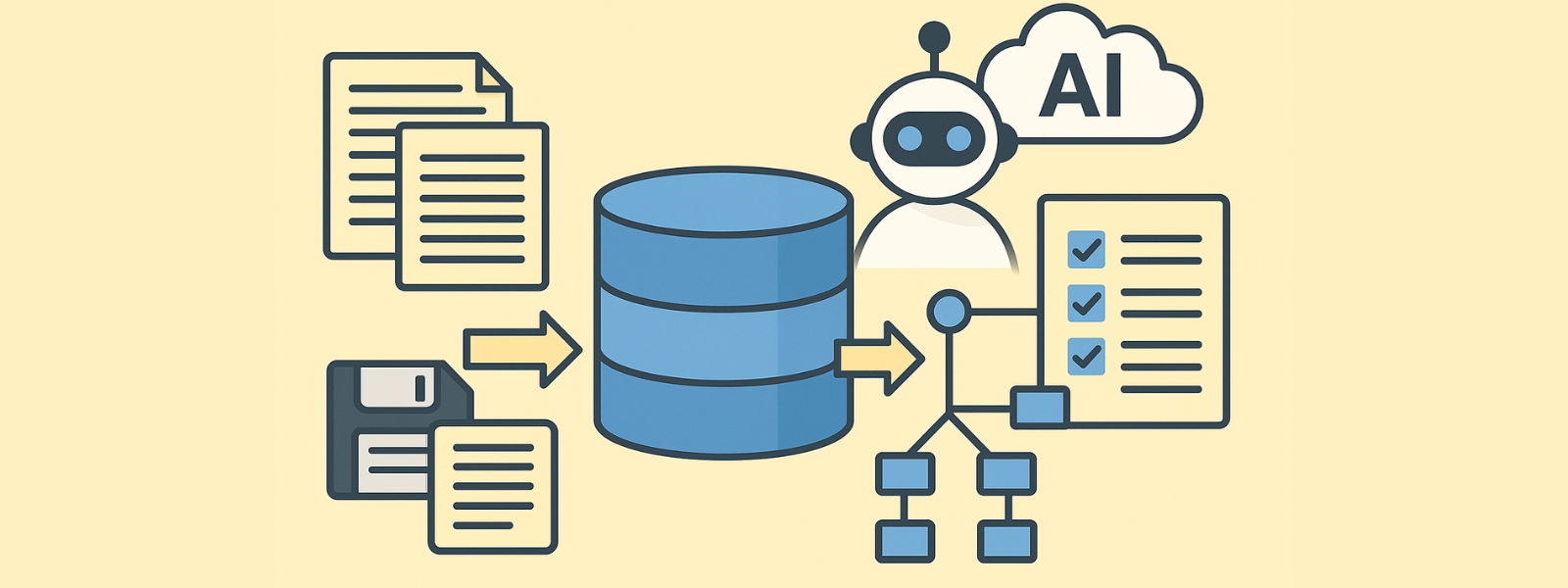
Data preparation consists of several steps. Each of them helps to improve, organize, and make data usable. Only then can valuable insights be gained in the end.
Collecting and Checking Data
First, all available data is collected. This can come from various sources – such as online shops, CRM systems, or Excel lists. It is important to get an overview:
An initial check is important here. It helps to identify problems early and avoid poor data quality. This step is often also called a plausibility check. It involves finding illogical or incorrect values.
Data Cleansing – The Most Important Step
Data cleansing is often the most time-consuming part. It involves removing errors, correcting incorrect information, and standardizing formats. This is also called standardization.
For example:
An interesting overview can be found at EXB, which shows how to turn raw data into usable information.
Enrichment – More Information for Better Results
Often the existing data is not enough. Then enrichment helps. This involves supplementing existing datasets with additional information.
This can be:
This makes a dataset more complete. The better the data, the stronger the later analysis or application – for example in online shops or in data visualization.
Transformation and Conversion
In this step, data is converted. For example:
This transformation is also called Data Preprocessing. It is particularly important in machine learning, as ComputerWeekly explains.
Validating and Testing Data
Now the data must be validated. Are all fields filled? Are there still inconsistencies? Does the data work in the application?
Only after this data validation can you be sure that everything fits. This step is crucial to avoid distortions – and thus ensure high quality.
Intermediate Step: Saving and Securing Data
During and after data preparation, information should be securely stored. Preferably in a well-organized database. More on this topic can be found in our article on creating an online database.
Automating Data Preparation – How to Save Time and Effort
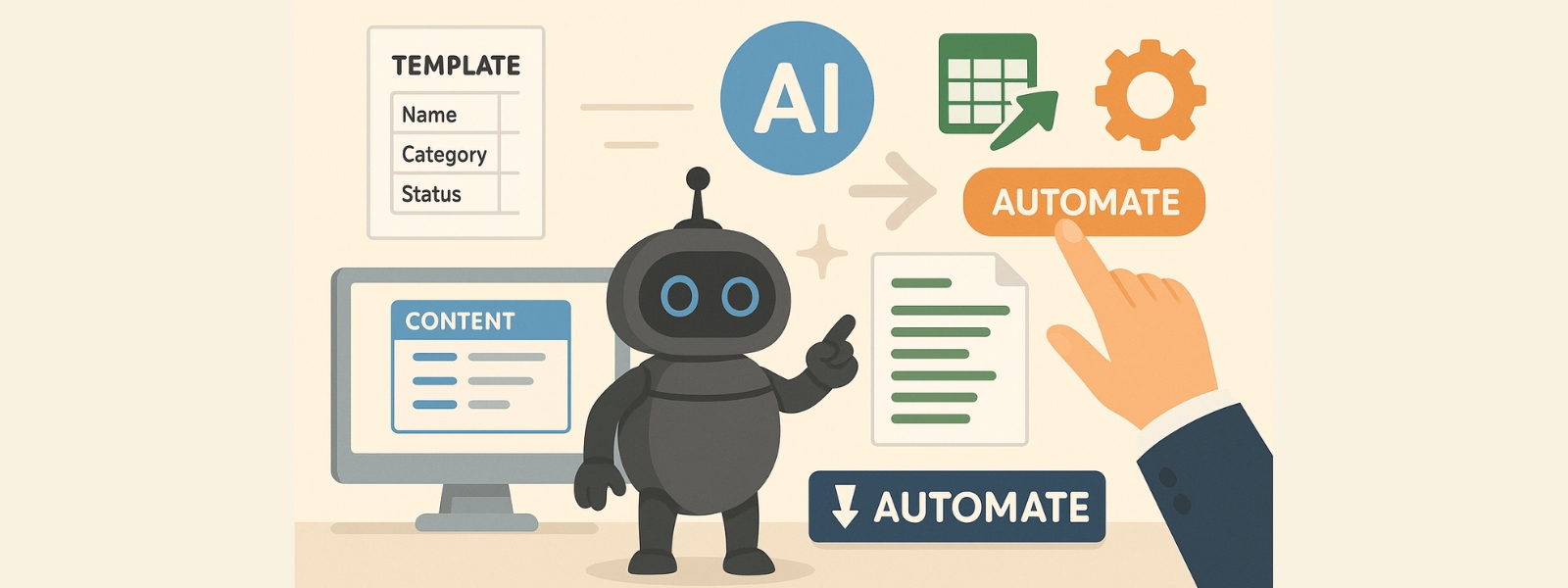
Manual data preparation takes time. Often many data sources need to be merged, checked, and revised. With large datasets, this quickly becomes a time-consuming task. This is where automation helps – it saves effort, increases data quality, and makes the whole processing faster.
Why Automation is Becoming Increasingly Important
In the past, every step was done by hand: cleansing, conversion, reformatting, checking. Today there are tools that take over this work. This is especially useful for e-commerce or large product databases.
An example: An online shop has thousands of products. Each product has different attributes – colors, sizes, materials. This information is often unstructured. Manual preparation would be extremely time-consuming.
This is where automated solutions like the DataNaicer from uNaice come into play.
The DataNaicer – When Data Work Needs to Scale
The DataNaicer is a modern solution for automated data preparation. It structures large amounts of product data, detects errors, and even automatically creates texts from them.
What makes it special:
Companies with many products especially benefit from this. They save personnel and time – without sacrificing quality. And that's exactly what good data processing is all about.
A typical entry: Test project with CSV file → Create template → Have data prepared by DataNaicer → Check output → Integrate system.
Learn more about how to intelligently merge data in the article on Data Mapping & Data Migration.
Automation Doesn't Mean Loss of Control
Even with automated processes, there is validation and control. The DataNaicer offers a so-called "Validation Station" for this. Users can mark whether a text or data output is correct or unclear – so the AI learns.
The result: high quality in data processing, without endless manual corrections.
Best Practice: Analysis, Transformation, Output
As Novustat emphasizes, good data preparation is the first step for any analysis. But with a lot of data, you need more than just Excel.
The DataNaicer automates:
This not only saves time – it also leads to better decision-making in the company.

Data Preparation in Practice: Avoiding Mistakes and Implementing Correctly
Good data preparation means more than just cleaning a few fields. It is a well-thought-out process that is often overlooked. Anyone who wants to use data correctly must structure, check, and correctly process it.
Avoiding Typical Preparation Mistakes
A big mistake is starting the analysis before the data is even usable. If the structure is missing, errors or wrong results quickly occur. This is especially a problem with many sources.
Data scientists therefore advise: First structure, then analyze.
Reformatting data is also often an issue. If data is in different formats, it must be prepared uniformly – otherwise many tools don't work properly. This applies, for example, to dates, numbers, or yes/no fields.
Another point: missing fields or inconsistent data. These lead to problems with later use, such as in dashboards or shop systems.
Data Preparation Requires Collaboration
The best results come when all areas work together: IT, analysis, sales, purchasing. Everyone has different requirements for data processing.
A clear framework is important so that everyone knows which fields are mandatory, how they are named, and where they should be stored. Only in this way does a uniform structure emerge – even with later access.
Especially with large quantities, a tool like the DataNaicer helps. It enables automated preparation and saves time – without constant manual rework. It is also easy to use for teams without IT knowledge.
Preparation Starts with a Good Data Basis
Those who plan well from the beginning save a lot of work later. A simple, well-structured database is often the best starting point. In our article on database creation, we show what you should pay attention to.
A clean data basis ensures more consistency, less removal of errors afterwards, and higher reliability of your analyses.

Conclusion: Data Preparation is the Foundation for Successful Data Work
Data preparation is not a side issue – it is the important prerequisite for everything related to data. Whether data scientists, developers, or marketing: Without clean data, no one can make good decisions.
The definition is simple, the implementation often not. Data must be collected, checked, structured, and stored. This takes time – especially when many sources are involved.
But this is also where the opportunity lies: Those who automate preparation save an enormous amount of effort. Tools like the DataNaicer help to efficiently process even large amounts of information – from data preprocessing to storage, from extraction to output.
For many, manual data work is the worst part – but with the right solution, it becomes a clear process. This improves quality, reduces errors, and makes usage easier for all users in the company.
In the end, this means: Less effort, more clarity, better results.

FAQ on Data Preparation