%20--%3e%3cdefs%3e%3cstyle%3e%20.st0%20{%20fill:%20%23a5d028;%20}%20.st1%20{%20fill:%20%23fff;%20}%20.st2%20{%20fill:%20%231de2db;%20}%20.st3%20{%20fill:%20%2341bdf9;%20}%20%3c/style%3e%3c/defs%3e%3cg%20id='logo-unaice-line'%3e%3cpath%20class='st1'%20d='M143.3,36.1c-1.2,0-2.1-.9-2.1-2.1V12.2c0-1.2.9-2.1,2.1-2.1s2.1.9,2.1,2.1v21.8c0,1.2-.9,2.1-2.1,2.1ZM143.2,6.2c-1.3,0-2.4-1-2.4-2.4v-.8c0-1.3,1-2.4,2.4-2.4s2.4,1.1,2.4,2.4v.8c0,1.3-1.1,2.4-2.4,2.4Z'/%3e%3cpath%20class='st3'%20d='M23.7,36.1H2c-.5,0-1-.4-1-1V2.3c0-.5.4-1,1-1h21.7c.5,0,1,.4,1,1v32.9c0,.5-.4,1-1,1'/%3e%3cpath%20class='st2'%20d='M41.8,36.1h-14.4c-.5,0-1-.4-1-1v-14.5c0-.5.4-1,1-1h14.4c.5,0,1,.4,1,1v14.5c0,.5-.4,1-1,1'/%3e%3cpath%20class='st0'%20d='M41.8,17.9h-14.4c-.5,0-1-.4-1-1V2.2c0-.5.4-1,1-1h14.4c.5,0,1,.4,1,1v14.7c0,.5-.4,1-1,1'/%3e%3c/g%3e%3cpath%20class='st1'%20d='M196.4,29.2c-2.1,2.1-3.6,3.2-7.1,3.2s-7.4-2.3-8.2-7.4h16.7c2.7,0,2.9-1.9,2.7-4-.7-6.2-5.3-11.2-11.6-11.2s-12.3,5.1-12.3,13.4,5.4,13.3,12.6,13.3,8.3-2.6,10-4.3c1.8-2.1-1.2-4.7-2.8-3ZM188.9,13.7c4.7,0,7.3,4.1,7.6,7.3h-15.3c.7-4.3,3.4-7.3,7.7-7.3Z'/%3e%3cpath%20class='st1'%20d='M132.1,12.9c-1.9-1.9-5.4-2.9-8.2-2.9s-5.3.5-8.2,1.8c-2.4,1-.9,5,1.6,3.7,2.1-1,3.3-1.5,6.3-1.5s6.7,1.1,6.8,6.1c-1.8-.5-2.7-.8-6.9-.8-6.8,0-11.3,3.3-11.3,8.8s4.1,8.4,10.1,8.4,5.4-.6,8.3-2.9v.5c0,2.8,4.2,2.6,4.2,0v-13.8c0-3.1-.8-5.5-2.7-7.4ZM130.4,26.2c0,3.6-3.4,6.3-8,6.3s-5.9-1.7-5.9-4.6,2.5-4.6,6.8-4.6c0,0,4.8,0,7.1,1v1.9Z'/%3e%3cpath%20class='st1'%20d='M80,36.1c-1.2,0-2.1-.9-2.1-2.1V3.4c0-1.2,1-2.2,2.2-2.2h.4c.8,0,1.4.4,2,1.1l20.2,25.7V3.4c0-1.2.9-2.1,2.1-2.1s2.1.9,2.1,2.1v30.7c0,1.1-.5,2-1.9,2s-1.9-.8-2.2-1.2l-20.7-26.2v25.3c0,1.2-.9,2.1-2.1,2.1Z'/%3e%3cpath%20class='st1'%20d='M60.2,36.5c-5.1,0-10.5-4.3-10.5-10.7v-13.5c0-1.2.9-2.1,2.1-2.1s2.1.9,2.1,2.1v13.1c0,4.5,2.5,7.1,6.6,7.1s7.3-3.2,7.3-7.5v-12.7c0-1.2.9-2.1,2.1-2.1s2.1.9,2.1,2.1v21.8c0,2.8-4.2,2.7-4.2,0v-.5c-1.5,1.6-3.3,2.9-7.6,2.9Z'/%3e%3cpath%20class='st1'%20d='M163.8,36.5c-7.1,0-13.1-6-13.1-13.3s4.8-13.5,13.5-13.5c4.4,0,6.9,2,8.8,3.7,1.8,1.5-.8,5.1-2.8,3.3-.8-.8-3.3-3-6.4-3-4.8,0-8.6,4-8.6,9.2s3.8,9.3,8.6,9.4c3.7,0,4.9-1,7-3.1,1.6-1.8,4.6,1,3,2.8-3,3-5.7,4.5-10,4.5h0Z'/%3e%3c/svg%3e)

In a world where millions of pieces of content are shared every day on Instagram, LinkedIn, TikTok, and other platforms, it is no longer enough to “just post something.” Today, companies, freelancers, and brands that want to be successful on Social Media need a clear strategy—one that is tailored, structured, and offers real added value for their target audience.
But what does such a strategy actually entail? How do you develop it in a practical way – without getting lost in buzzwords and tools? And how do you ensure it remains realistic and achievable, even if you lack time and resources?
In this article, you will learn step by step how to develop a successful Social Media strategy, what it needs to include, and what mistakes you should avoid at all costs.
What is a Social Media strategy? – Definition & relevance
A Social Media strategy is more than just a rough plan of what you want to post next on Instagram or LinkedIn. It is a structured, long-term approach that allows you to reach your target audience via Social Networks, strengthen your brand, build trust, and pursue your marketing goals.
Definition: What does Social Media strategy mean?
A Social Media strategy describes the totality of your measures, content, and goals in Social Media Marketing – tailored to your channels, your target audience, and your brand. It is the answer to the question:
“Why am I active on Social Media—and how can I do so effectively and in a structured way?”
This includes, among other things:
Why is a Social Media strategy important?
Without a strategy, posts often fizzle out without having any effect. You may be posting regularly—but are you reaching the right people? Are you generating interaction? Are you guiding potential customers to your offering in a targeted manner?
With a well-thought-out Social Media strategy, you will have:
And above all: You use your time more efficiently—instead of constantly wondering what to post, you know exactly why and for whom you are doing it.

Why Social Media doesn't work without a strategy
Many companies, freelancers, and content creators start out on Social Media full of motivation: a new profile here, a spontaneous post there, maybe a few hashtags. But what looks like presence at the beginning often fizzles out quickly—because there is no strategy.
Typical problems without a Social Media strategy
Those who act without a plan will sooner or later encounter the same challenges:
All of this not only leads to frustration, but also to missed opportunities: your brand becomes invisible, you lose touch with your community, and you fail to reach your full potential in Social Media Marketing.
Social Media is not a sure-fire success
Algorithms favor regular, relevant content – and reward brands that post in a structured manner, generate interactions, and respond to the needs of their community.
In short: without a clear Social Media strategy, your content will hardly achieve any reach – no matter how good your product or service is.

The most important components of a successful Social Media strategy
A successful Social Media strategy consists of more than just a posting plan. It is the structured foundation for your communication, your community, and your growth—and it helps you to be active on Social Media with system and clarity.
Understand the starting point: Where is your company currently?
Before you develop a new Social Media strategy, you need a realistic picture of your current situation. A brief analysis will help you with this:
This starting point is the basis for your next steps—and prevents you from communicating in a way that misses the needs of your target audience.
Define your target audience: Who is your content intended for?
A strong Social Media strategy always targets real people – not algorithms. That's why target audience analysis is essential:
Tip: Create specific buyer personas to communicate in a more targeted manner.
Setting goals: What do you want to achieve with your strategy?
Classic goals in Social Media Marketing:
Use the SMART principle: Goals should be specific, measurable, achievable, relevant, and time-bound.
Develop content: The fuel for your Social Media strategy
Without content, there is no visibility. Your content should:
Tip: Plan regular content formats such as blog articles, carousels, reels, tips, or customer testimonials. Use a mix of evergreen content and current topics.
Select channels carefully: Don't be everywhere—be where it counts
You don't have to be present on every platform. It's more important to find the right channel for your target audience:
Tip: Start with 1–2 Social Media channels and strategically expand your presence.
Agency alternative: content from €399/month — automated.
News Stream creates blog posts, social posts and newsletters for your field — AI-powered, human-reviewed, without agency fees. Start free with your website URL and see real posts in under 60 seconds.
Start free setupImplementing a Social Media strategy – with a plan, blog, and community focus
Even the best Social Media strategy is useless if it is not consistently implemented. That's why you need a system that facilitates planning, content creation, and publication – while also making you appear approachable and present. This is where the combination of plan, blog, and community comes into play.
Planning is key: approach Social Media systematically
Many companies – especially small and medium-sized businesses – post spontaneously. But this rarely leads to clear results. Targeted planning helps you to be visible on a regular basis and use resources efficiently.
To do this, create a monthly plan with:
Use digital planning tools or templates to keep track of everything—ideally with an editorial calendar and integrated content pipeline.
Blogs and articles at the heart of your Social Media strategy
A well-run blog is not only important for your Google ranking, but also for your Social Media content. Each new article offers you:
💡 Tip: Make sure your blog posts are target group-oriented, visually appealing, and easy to share.
Putting it into practice: How to get your strategy up and running
The best Social Media strategy only works with clear routines. Here's a simple implementation structure:
🔁 You can fully automate this process with uNaice News Stream. The tool automatically creates relevant Social Media posts for your channels from current blog articles and takes care of the editorial preparation in the background. All you have to do is approve the content or personalize it if you want.
This saves you valuable time every day in Social Media Marketing – especially in small businesses or solo teams that don't have their own editorial staff.
Involve your community: interaction instead of monologue
Good Social Media strategies focus not only on reach, but also on genuine relationships. Use your posts to:
This creates a long-term connection – and a high recognition rate for your brand.
Stay SMART – even in implementation
Keep your goals in mind and stay SMART:
The most common mistakes in Social Media strategy – and how to avoid them
Even with a good plan, your Social Media strategy can stall if typical pitfalls are ignored. In this chapter, we'll show you what mistakes are commonly made, how to recognize them, and how to avoid them strategically.
Lack of marketing goals and vague messages
One of the biggest mistakes is starting your marketing without first defining specific goals. Without a clear direction, even the best content will get lost.
Common issues:
🔍 Solution: Set smart, realistic goals—for example, increasing website visits, building a community, or acquiring new customers. This will allow you to evaluate and improve your Social Media Marketing activities in a targeted manner.
Too many channels, too little focus
Many companies are active on all channels at once – but not really on any of them. The result: inconsistent content, low reach, and overloaded resources.
🔍 Solution: Start with 1–2 Social Media platforms where your target audience really hangs out. Only set up additional channels once you are efficient on the first ones. Quality over quantity!
Content that is not relevant to your target group
What you find exciting is not automatically relevant to your followers. A lack of relevance to the buyer persona or current events leads to low interaction – and ultimately to content emptiness.
🔍 Solution: Talk to your community regularly, conduct surveys, or analyze comments. This will help you find out which topics really matter.
Underestimated analysis and no feedback loop
Without analysis, there can be no optimization. Many people ignore key figures or only look at likes. But likes alone say little about the success of your Social Media strategy.
🔍 Solution: Keep an eye on reach, clicks, link target achievement, and comment quality. Use insights for A/B testing, content adjustments, and targeted Social Media management.
Lack of authenticity and inconsistency
Followers can sense when content seems impersonal or erratic. If you constantly change your tone, topics, or formats, you will lose trust—and reach.
🔍 Solution: Stay true to yourself. Define your communication style, stick to a regular publishing schedule, and remain approachable.
📌 Conclusion: A Social Media strategy rarely fails due to a lack of potential—it often fails due to a lack of planning and excessive demands. If you avoid these five points, you'll be on the right track.

The right Social Media channel for your business
Not every Social Media channel is suitable for every business. Instead of having a half-hearted presence everywhere, you should be active where your target audience really is. But which channel will bring you the most benefit?
Social Media platforms at a glance
Each platform has its own character, its own community, and its own content formats. An overview of the most important networks will help you choose the right channel:
The use of platforms varies depending on the age, region, and interests of your buyer persona. A targeted selection saves you effort and yields better results.
Selecting the right channel for your target audience
It is not your personal preference that matters, but rather the target audience. The question is: Where is your community already present?
🧭 Tip: Start with 1–2 platforms. Learn how people communicate there, what types of content work, and whether your topic will resonate.
Channel focus vs. channel proliferation
A common mistake is to launch too many channels at once. What happens then:
💡 Instead: Select the channels that fit your brand, your goals, and your target audience—and then grow systematically.
Check and adjust social media channels regularly
The Social Media landscape is constantly changing. Some platforms are on the rise (e.g., TikTok), while others are losing relevance. Therefore:
➡️ This will keep your Social Media Marketing relevant – and you won't waste resources on the wrong platforms.

Developing Social Media content – how to find content that really works
Even the best strategy is useless if you don't have the right content. Many companies – whether solo self-employed or medium-sized businesses – struggle to regularly create suitable content for their Social Media channels. Yet content is the engine of your visibility on the social web.
What is good Social Media content?
Good content doesn't happen by chance. It is based on a clear idea, specifically addresses your target audience, and solves a need or problem. The best posts are:
🧠 Example: A tax advisor on LinkedIn could post a “tax tip of the week” every week – simple, practical, and recognizable.
Developing the right content idea
Often it's not time that's lacking, but the brilliant idea. Use the following approaches for your content development:
💡 Tools such as Google Trends, AnswerThePublic, and uNaice News Stream help you quickly filter content and prepare it for your social media strategy. News Stream automatically identifies relevant topics from your industry and transforms them into ready-to-share content—ideal for fast and consistent Social Media Marketing.
Content categories for your business
Different categories work depending on your industry, style, and platform. This structure will help you with long-term planning:
| Category | Goal | Example |
|---|---|---|
| education | trust & authority | “What does reverse charge mean?” |
| inspiration | emotional connection | “Why I've never regretted becoming self-employed” |
| behind the scenes | closeness & authenticity | “This is what my day as a coach looks like” |
| interaction | community building | “What was your biggest learning in 2024?” |
| entertainment | reach | “5 myths about XY – what's really true?” |
👉 Tip: Mix up the formats – this will keep your presence varied and approachable.
Reuse and scale content
You don't have to reinvent the wheel every day. Smart use of your content means:
Sustainable content instead of quick gags
Viral content is not an end in itself. Really good content brings you:
So it's better to focus on sustainable content that does justice to your brand, your service, and your positioning – rather than on random trends.
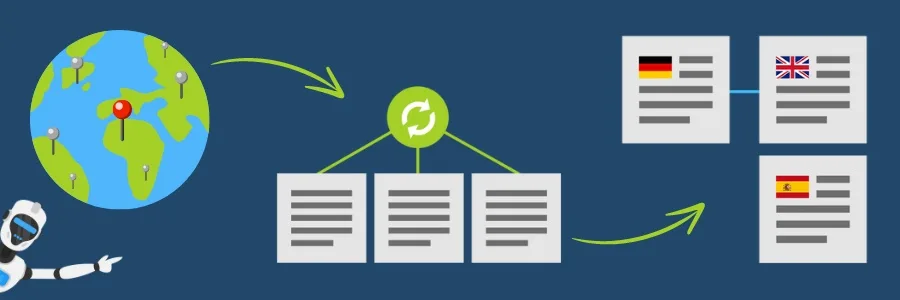
From plan to implementation – plan, create, and publish content
The best Social Media strategy needs a solid foundation: a clear plan, a reliable structure, and a genuine routine. Without these, you risk content chaos, a lack of attention, and ultimately mistrust among your target audience.
Here you will find a guide on how to develop your content systematically – whether you are a solo entrepreneur, freelancer, or growing business.
Why planning is so crucial in Social Media Marketing
Spontaneous posts may be charming – but real brand awareness comes from continuity, recognition, and consistent communication. Especially if you don't have a whole team behind you, you need a plan that takes the pressure off.
Social Media Marketing without a plan often leads to:
A content plan helps you prepare topics, mix formats, and produce efficiently—without disrupting your daily routine.
Tools & templates for your content workflow
For your content marketing to work in the long term, you need a setup that you can operate with minimal effort. The following tools and templates will help you do just that:
Tip: Use automated sources such as uNaice News Stream to get new articles and ideas for your channels every day – ideal for small businesses with limited time.
The right frequency for your target audience
Not every platform needs the same frequency. Focus on your target audience, your capacity, and what is realistically feasible.
| Platform | Recommended frequency | Objective |
|---|---|---|
| 2-3 times/week | expert status, B2B contacts | |
| 3-5 times/week | approachability, community building | |
| TikTok | 5+ times/week | reach, trend participation |
| 1-2 times/day | evergreen traffic & blog SEO |
👥 Note: It's not just about quantity. Quality, timing, and community engagement are crucial.
Performance review & competitive analysis
Without measurement, there is no learning. Regularly review which content is effective—and why. Use simple metrics such as:
In addition, it is worthwhile to conduct a competitive analysis:
This will help you develop a feel for what works – and improve on it in your own way.
Lack of a system = biggest failure
The biggest failure in Social Media Marketing? No system. If you only post when you have time, you become invisible – or arbitrary.
➡️ Better: Focus on a streamlined, repeatable process – with a clear distribution of your topics, tasks, and Social Media channels.
You can do everything yourself – or work with tools that support you. The important thing is to stay on track. Because visibility doesn't happen by chance – it happens through planning, implementation, and patience.

Advertising on Social Media – targeted instead of wasted
Social Media advertising is often considered the miracle cure for quick traffic and online success. But many companies – especially small and medium-sized businesses and sole traders – waste valuable budget in the process. Why? Because they lack the basics: strategy, relevance, and the right approach.
Here you can find out how to use advertising in a targeted, economical, and effective way for your target group – without wastage.
Why Social Media Ads make sense
If your content is good, it's worth making it more visible. Platforms such as Instagram, Facebook, and LinkedIn in particular reduce organic reach – paid Social Media Ads ensure that your post is seen at all.
Advantages of targeted Social Media advertising:
But: Without clear planning, advertising quickly becomes expensive – and yields hardly any results.
The right platform for your business
Not every platform is suitable for every person or business. It depends on where your target audience is active—and what you want to achieve.
| Platform | Strengths | Suitable for |
|---|---|---|
| broad target groups, simple ads, many retargeting options | local businesses, events | |
| visual focus, strong stories, influencer connections | lifestyle, coaching, e-commerce | |
| B2B approach, specialist topics, employer branding | consulting, HR, agencies | |
| TikTok | fast reach, viral clips, young target groups | creators, startups, trends |
Optionally, you can also test Pinterest Ads—especially if you have highly visual content and blog articles.
Advertising on a small budget
You don't need thousands of dollars to get good results. Often, just €5–10/day is enough to gain valuable insights.
How to get started:
Tip: Start with engagement ads before moving on to conversion—this helps the algorithm learn who your target audience is.
Best practices for social media advertising
To make your ads effective on Social Media, keep the following points in mind:
Also important: testing. A/B testing shows you which images, texts, or formats work better – and helps you use your budget efficiently.
👉 Especially when your organic content works well with the uNaice News Stream, paid media can specifically reinforce it—strategically supporting your Social Media presence and efficiently scaling your marketing.
Conclusion: advertising as an amplifier, not a substitute
Good Social Media Advertising amplifies what already works. It is not a substitute for good content, a clear strategy, or authentic communication – but a tool to reach more people.
If you want to get the most out of your ads, you need:
➡️ Then advertising won't be a shot in the dark—it will be part of a smart online marketing strategy.
Agency alternative: content from €399/month — automated.
News Stream creates blog posts, social posts and newsletters for your field — AI-powered, human-reviewed, without agency fees. Start free with your website URL and see real posts in under 60 seconds.
Start free setupConclusion & next steps – your systematic Social Media strategy
A Social Media strategy doesn't have to be complicated – but it does have to be well thought out. You don't need a large apparatus, a huge agency structure, or a bloated marketing budget. What you need is a system that suits you, your offering, and your target audience.
Whether you're a solo entrepreneur, work in a medium-sized business, or lead a growing team, the opportunity to reach people via Social Networks has never been greater. And never more efficient.
The most important lessons at a glance
🔁 Recognizability beats coincidence
Regular, relevant content is more effective than spontaneous posts.
🎯 Define goals instead of posting blindly
If you know your goals, you can measure success—and optimize it in a targeted manner.
👥 Build a community, don't just broadcast
Interaction, customer service, and genuine conversations beat advertising slogans.
📊 Analysis instead of gut feeling
Use data to understand what motivates your target audience.
📈 Scale with a system
A clear plan helps you grow efficiently – without stress.
Your next steps
🔗 A tool that helps you do just that: uNaice News Stream
The system automatically creates relevant content, prepares it for your channels, and saves you hours every day—ideal for freelancers, teams, or SMEs in Germany.
You're just one click away from transforming your Social Media strategy from chaos to clarity—with structure, a plan, and real added value.
Ready to strategically shape your visibility?