%20--%3e%3cdefs%3e%3cstyle%3e%20.st0%20{%20fill:%20%23a5d028;%20}%20.st1%20{%20fill:%20%23fff;%20}%20.st2%20{%20fill:%20%231de2db;%20}%20.st3%20{%20fill:%20%2341bdf9;%20}%20%3c/style%3e%3c/defs%3e%3cg%20id='logo-unaice-line'%3e%3cpath%20class='st1'%20d='M143.3,36.1c-1.2,0-2.1-.9-2.1-2.1V12.2c0-1.2.9-2.1,2.1-2.1s2.1.9,2.1,2.1v21.8c0,1.2-.9,2.1-2.1,2.1ZM143.2,6.2c-1.3,0-2.4-1-2.4-2.4v-.8c0-1.3,1-2.4,2.4-2.4s2.4,1.1,2.4,2.4v.8c0,1.3-1.1,2.4-2.4,2.4Z'/%3e%3cpath%20class='st3'%20d='M23.7,36.1H2c-.5,0-1-.4-1-1V2.3c0-.5.4-1,1-1h21.7c.5,0,1,.4,1,1v32.9c0,.5-.4,1-1,1'/%3e%3cpath%20class='st2'%20d='M41.8,36.1h-14.4c-.5,0-1-.4-1-1v-14.5c0-.5.4-1,1-1h14.4c.5,0,1,.4,1,1v14.5c0,.5-.4,1-1,1'/%3e%3cpath%20class='st0'%20d='M41.8,17.9h-14.4c-.5,0-1-.4-1-1V2.2c0-.5.4-1,1-1h14.4c.5,0,1,.4,1,1v14.7c0,.5-.4,1-1,1'/%3e%3c/g%3e%3cpath%20class='st1'%20d='M196.4,29.2c-2.1,2.1-3.6,3.2-7.1,3.2s-7.4-2.3-8.2-7.4h16.7c2.7,0,2.9-1.9,2.7-4-.7-6.2-5.3-11.2-11.6-11.2s-12.3,5.1-12.3,13.4,5.4,13.3,12.6,13.3,8.3-2.6,10-4.3c1.8-2.1-1.2-4.7-2.8-3ZM188.9,13.7c4.7,0,7.3,4.1,7.6,7.3h-15.3c.7-4.3,3.4-7.3,7.7-7.3Z'/%3e%3cpath%20class='st1'%20d='M132.1,12.9c-1.9-1.9-5.4-2.9-8.2-2.9s-5.3.5-8.2,1.8c-2.4,1-.9,5,1.6,3.7,2.1-1,3.3-1.5,6.3-1.5s6.7,1.1,6.8,6.1c-1.8-.5-2.7-.8-6.9-.8-6.8,0-11.3,3.3-11.3,8.8s4.1,8.4,10.1,8.4,5.4-.6,8.3-2.9v.5c0,2.8,4.2,2.6,4.2,0v-13.8c0-3.1-.8-5.5-2.7-7.4ZM130.4,26.2c0,3.6-3.4,6.3-8,6.3s-5.9-1.7-5.9-4.6,2.5-4.6,6.8-4.6c0,0,4.8,0,7.1,1v1.9Z'/%3e%3cpath%20class='st1'%20d='M80,36.1c-1.2,0-2.1-.9-2.1-2.1V3.4c0-1.2,1-2.2,2.2-2.2h.4c.8,0,1.4.4,2,1.1l20.2,25.7V3.4c0-1.2.9-2.1,2.1-2.1s2.1.9,2.1,2.1v30.7c0,1.1-.5,2-1.9,2s-1.9-.8-2.2-1.2l-20.7-26.2v25.3c0,1.2-.9,2.1-2.1,2.1Z'/%3e%3cpath%20class='st1'%20d='M60.2,36.5c-5.1,0-10.5-4.3-10.5-10.7v-13.5c0-1.2.9-2.1,2.1-2.1s2.1.9,2.1,2.1v13.1c0,4.5,2.5,7.1,6.6,7.1s7.3-3.2,7.3-7.5v-12.7c0-1.2.9-2.1,2.1-2.1s2.1.9,2.1,2.1v21.8c0,2.8-4.2,2.7-4.2,0v-.5c-1.5,1.6-3.3,2.9-7.6,2.9Z'/%3e%3cpath%20class='st1'%20d='M163.8,36.5c-7.1,0-13.1-6-13.1-13.3s4.8-13.5,13.5-13.5c4.4,0,6.9,2,8.8,3.7,1.8,1.5-.8,5.1-2.8,3.3-.8-.8-3.3-3-6.4-3-4.8,0-8.6,4-8.6,9.2s3.8,9.3,8.6,9.4c3.7,0,4.9-1,7-3.1,1.6-1.8,4.6,1,3,2.8-3,3-5.7,4.5-10,4.5h0Z'/%3e%3c/svg%3e)
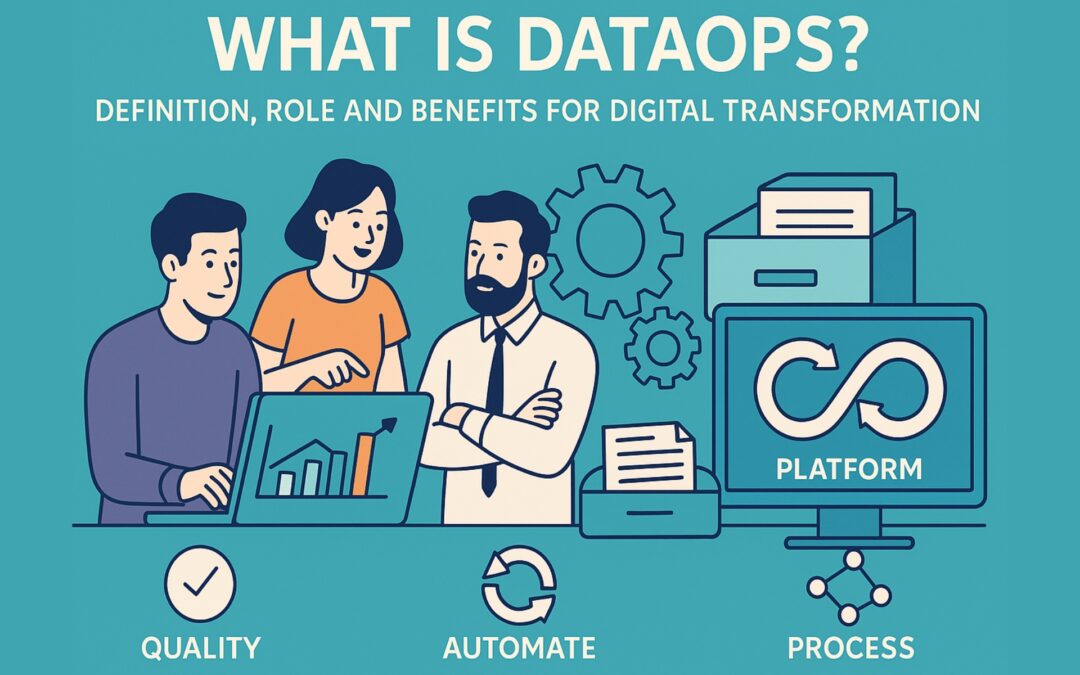
DataOps is much more than just a buzzword. It describes a modern approach that combines data operations, data engineering, data management, and data science. The goal is to make data processes more efficient and thus drive digital transformation forward.
Companies rely on DataOps to ensure data quality, deliver faster analytics, and extend their agile methodology to data projects.
This article explains the definition, role, and why DataOps is critical for continuous delivery, optimization, and long-term success.
DataOps – Definition and foundation for modern data projects
DataOps is a concept that was heavily inspired by DevOps. While DevOps optimizes collaboration between development and operations, DataOps takes care of everything related to data: from data processing and data pipelines to the delivery of data products. It creates the foundation for high-quality, high-speed data availability.
Data engineers and data scientists play an important role in this. They work closely together to successfully implement machine learning projects, analytics, and big data applications. Automation and the use of a platform such as DataNaicer simplify and accelerate processes.
The goal: faster data delivery, fewer errors, and greater efficiency.
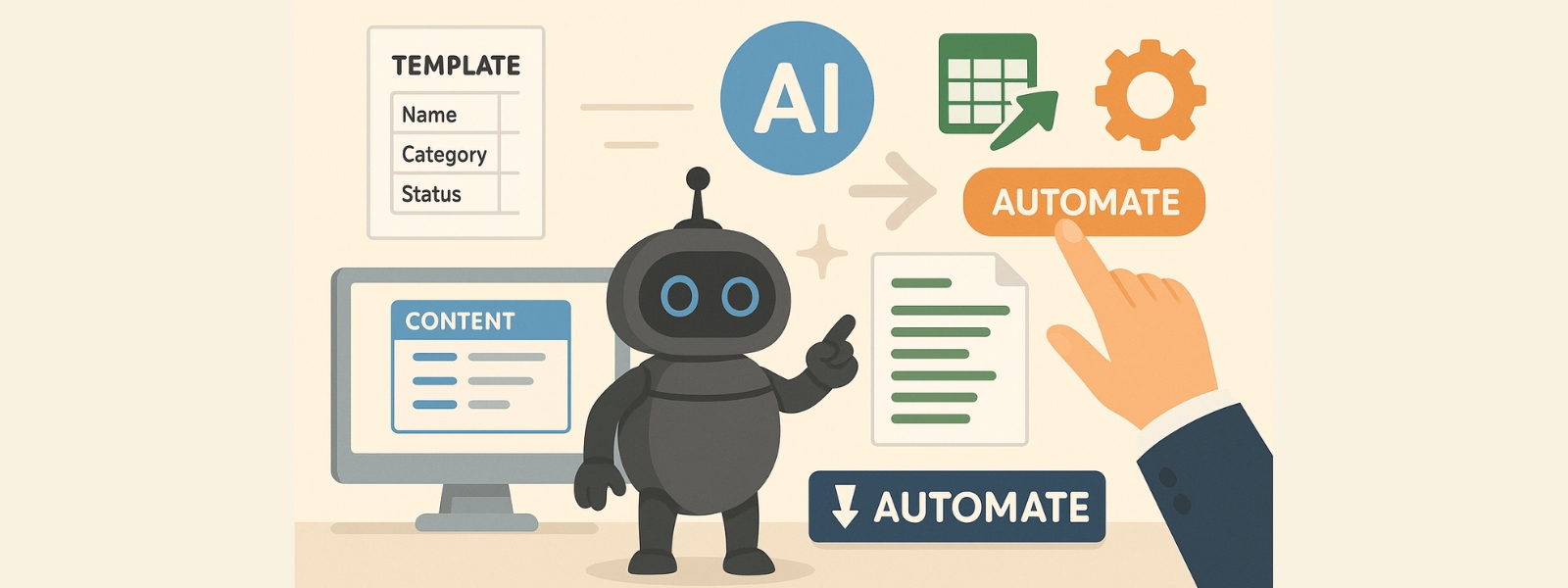
Automation and platforms – the basis for DataOps
A crucial part of DataOps is automation. Today's modern companies need to process data in real time in order to respond quickly to market changes. Without automated processes, this is hardly possible. DataOps therefore uses tools and platforms to control data flows and reduce sources of error. Deployment, monitoring, and testing are performed automatically, similar to DevOps.
A DataOps platform often forms the linchpin. It enables data from various sources to be collected, checked, and transported to the target system via data pipelines.
This ensures stable processes and consistently high data quality. Examples of such solutions can be found at dataops.live. These platforms rely on standards, monitoring, and smart alerting so that teams can intervene at any time.
The strength of DataOps is particularly evident in projects involving machine learning and MLOps. Automated workflows help bring models into production and continuously improve them. Clear rules and uniform processes promote agility. This enables data scientists and data engineers to deliver innovations faster together without compromising quality.
For DataOps to work, it needs to be properly implemented and well planned. It is important to focus on stable processes and a clear distribution of roles between data engineering, data science, and data management.
This is the only way to create robust systems that work reliably even with large amounts of data. For more information on how companies can optimally prepare and structure their data, see our article on data preparation and the overview of data mapping and integration.

Collaboration and the importance of agile development in DataOps
Why close collaboration is crucial
In DataOps, close collaboration and clear communication between data engineers, data scientists, and other teams is a must. This is the only way companies can ensure that their data operations run smoothly. Similar to DevOps, the goal is to break down silos and involve all stakeholders early on in the processes. This builds trust and reduces misunderstandings, especially in a complex data landscape.
Agile practices for greater productivity
DataOps uses many agile practices from software development. The goal: teams can respond more quickly to new requirements and adapt their production flexibly. Iterative approaches and regular coordination increase productivity. This results in faster analytical insights that drive the business forward.
Tools and feedback for continuous improvement
An important factor is the use of appropriate tools that support DataOps processes. These tools not only help to control operations, but also provide valuable feedback for improving processes. This ensures that data quality is permanently secured and continuously improved.
A good example is the use of platforms that have been specifically developed for the requirements of DataOps. They enable data integration, automation, and monitoring, even in the cloud. This allows companies to keep track of their data streams and deployments at all times. You can find out more about what a clean foundation looks like in our article on data management.
Development and continuous adaptation
DataOps is a dynamic approach that focuses heavily on continuous improvement. Through constant iterations in development and automated testing, companies can quickly find out what works—and what doesn't. This approach not only increases efficiency, but also delivers robust results that underpin the business with real data.

Conclusion – DataOps as the key to modern data processes
Data management and data engineering as the foundation
A successful DataOps strategy is always based on solid data management and well-structured work by the data engineering teams. They lay the foundation on which subsequent processes such as automation and analysis are built.
Data science meets DevOps
When data science meets DevOps methods, real power is created. This combination allows data to be translated more quickly into practical applications and valuable analytics.
Platforms such as DataNaicer as a success factor
A specialized platform such as DataNaicer helps to automate processes and systematically prepare data. It makes it easy to integrate different sources, thereby ensuring stable data processing. This turns a complex topic into a controllable and efficient process.
Why automation is indispensable in DataOps
A core goal of DataOps is to automate recurring tasks and thereby save resources. Instead of manually checking data or starting pipelines, automation takes over. This ensures higher speed, lower error rates, and relieves teams, who can then focus on strategic tasks.
Platform – a stable foundation for complex data projects
DataOps would be virtually inconceivable without a powerful platform. It is the technical backbone on which all processes run – from data collection and validation to output in reports or dashboards. A platform such as DataNaicer combines automation, data management, and quality checks in a single tool. This makes it easy to control even complex data landscapes.
DataOps is no longer just a trend
DataOps is no longer just a trend, but a clear response to the growing challenges in the data world. It connects people, tools, and processes into a sustainable strategy that balances data quality, optimization, and continuous delivery. Those who tackle this now will gain a real advantage in a data-driven future.