%20--%3e%3cdefs%3e%3cstyle%3e%20.st0%20{%20fill:%20%23a5d028;%20}%20.st1%20{%20fill:%20%23fff;%20}%20.st2%20{%20fill:%20%231de2db;%20}%20.st3%20{%20fill:%20%2341bdf9;%20}%20%3c/style%3e%3c/defs%3e%3cg%20id='logo-unaice-line'%3e%3cpath%20class='st1'%20d='M143.3,36.1c-1.2,0-2.1-.9-2.1-2.1V12.2c0-1.2.9-2.1,2.1-2.1s2.1.9,2.1,2.1v21.8c0,1.2-.9,2.1-2.1,2.1ZM143.2,6.2c-1.3,0-2.4-1-2.4-2.4v-.8c0-1.3,1-2.4,2.4-2.4s2.4,1.1,2.4,2.4v.8c0,1.3-1.1,2.4-2.4,2.4Z'/%3e%3cpath%20class='st3'%20d='M23.7,36.1H2c-.5,0-1-.4-1-1V2.3c0-.5.4-1,1-1h21.7c.5,0,1,.4,1,1v32.9c0,.5-.4,1-1,1'/%3e%3cpath%20class='st2'%20d='M41.8,36.1h-14.4c-.5,0-1-.4-1-1v-14.5c0-.5.4-1,1-1h14.4c.5,0,1,.4,1,1v14.5c0,.5-.4,1-1,1'/%3e%3cpath%20class='st0'%20d='M41.8,17.9h-14.4c-.5,0-1-.4-1-1V2.2c0-.5.4-1,1-1h14.4c.5,0,1,.4,1,1v14.7c0,.5-.4,1-1,1'/%3e%3c/g%3e%3cpath%20class='st1'%20d='M196.4,29.2c-2.1,2.1-3.6,3.2-7.1,3.2s-7.4-2.3-8.2-7.4h16.7c2.7,0,2.9-1.9,2.7-4-.7-6.2-5.3-11.2-11.6-11.2s-12.3,5.1-12.3,13.4,5.4,13.3,12.6,13.3,8.3-2.6,10-4.3c1.8-2.1-1.2-4.7-2.8-3ZM188.9,13.7c4.7,0,7.3,4.1,7.6,7.3h-15.3c.7-4.3,3.4-7.3,7.7-7.3Z'/%3e%3cpath%20class='st1'%20d='M132.1,12.9c-1.9-1.9-5.4-2.9-8.2-2.9s-5.3.5-8.2,1.8c-2.4,1-.9,5,1.6,3.7,2.1-1,3.3-1.5,6.3-1.5s6.7,1.1,6.8,6.1c-1.8-.5-2.7-.8-6.9-.8-6.8,0-11.3,3.3-11.3,8.8s4.1,8.4,10.1,8.4,5.4-.6,8.3-2.9v.5c0,2.8,4.2,2.6,4.2,0v-13.8c0-3.1-.8-5.5-2.7-7.4ZM130.4,26.2c0,3.6-3.4,6.3-8,6.3s-5.9-1.7-5.9-4.6,2.5-4.6,6.8-4.6c0,0,4.8,0,7.1,1v1.9Z'/%3e%3cpath%20class='st1'%20d='M80,36.1c-1.2,0-2.1-.9-2.1-2.1V3.4c0-1.2,1-2.2,2.2-2.2h.4c.8,0,1.4.4,2,1.1l20.2,25.7V3.4c0-1.2.9-2.1,2.1-2.1s2.1.9,2.1,2.1v30.7c0,1.1-.5,2-1.9,2s-1.9-.8-2.2-1.2l-20.7-26.2v25.3c0,1.2-.9,2.1-2.1,2.1Z'/%3e%3cpath%20class='st1'%20d='M60.2,36.5c-5.1,0-10.5-4.3-10.5-10.7v-13.5c0-1.2.9-2.1,2.1-2.1s2.1.9,2.1,2.1v13.1c0,4.5,2.5,7.1,6.6,7.1s7.3-3.2,7.3-7.5v-12.7c0-1.2.9-2.1,2.1-2.1s2.1.9,2.1,2.1v21.8c0,2.8-4.2,2.7-4.2,0v-.5c-1.5,1.6-3.3,2.9-7.6,2.9Z'/%3e%3cpath%20class='st1'%20d='M163.8,36.5c-7.1,0-13.1-6-13.1-13.3s4.8-13.5,13.5-13.5c4.4,0,6.9,2,8.8,3.7,1.8,1.5-.8,5.1-2.8,3.3-.8-.8-3.3-3-6.4-3-4.8,0-8.6,4-8.6,9.2s3.8,9.3,8.6,9.4c3.7,0,4.9-1,7-3.1,1.6-1.8,4.6,1,3,2.8-3,3-5.7,4.5-10,4.5h0Z'/%3e%3c/svg%3e)

Data Aggregation is a key term in computer science. It plays an important role in data processing and helps to create a clear overview from many individual values. In this article, we explain in simple terms what Data Aggregation means, how it works, and why it is so important in today's economy.
We'll also show you how modern tools such as uNaice's DataNaicer automate this process, saving you time and helping you make better decisions.
Definition: What is Data Aggregation?
Data Aggregation is the process of combining many individual data points. The goal is to create a clear overview that is easy to analyze. Instead of thousands of individual values, you get a summarized representation—for example, as a sum, average, or number.
Simply put, Data Aggregation transforms complexity into clarity.
Example: Instead of looking at every single website click, you summarize the number of clicks per day or week. This allows you to see more quickly when most visitors are active—without having to check each line individually.
This technique is used in many areas: in dashboards, reports, machine learning, or for simple analyses within companies.
Why is this important? Without aggregation, data often remains confusing. It is difficult to identify trends or patterns. Aggregation improves data quality, creates a solid basis for informed decisions, and makes it possible to process large amounts of data in the first place.
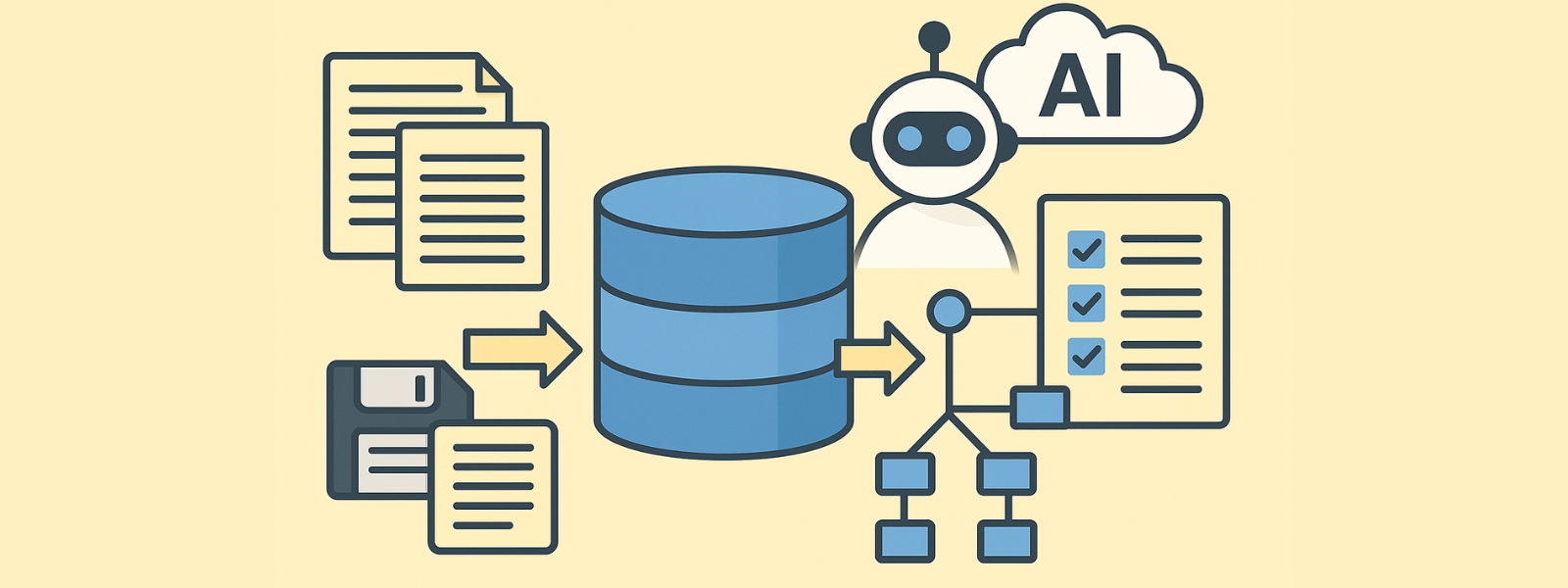
Aggregation verstehen: Rolle, Bedeutung, Granularität und Methoden
Die Aggregation ist mehr als nur das Zusammenrechnen von Zahlen. Sie ist ein zentraler Bestandteil moderner Datenverarbeitung und beeinflusst maßgeblich die Effizienz, mit der Unternehmen Informationen nutzen.
The role of aggregation
Data Aggregation involves creating a clear overview from many individual values. This compact representation forms the basis for informed decisions—for example, in controlling, process optimization, or data analysis in marketing.
Without aggregation, the flood of data would be virtually impossible to use meaningfully.
Granularity – How detailed should data be?
Granularity describes the level of detail in data. The higher the granularity, the more details remain visible. The lower the granularity, the more information is summarized.
Example: If you want to see sales per product group, a rough aggregation is sufficient. For daily trends, you need finer granularity.
Tip: The appropriate granularity always depends on your application.
Aggregation methods
There are many methods for aggregating data:
These functions help to make complex data tangible. Good aggregation simplifies use and improves the performance of analysis tools.
uNaice's DataNaicer uses precisely these methods—with the help of intelligent logic—and automatically provides aggregated data.
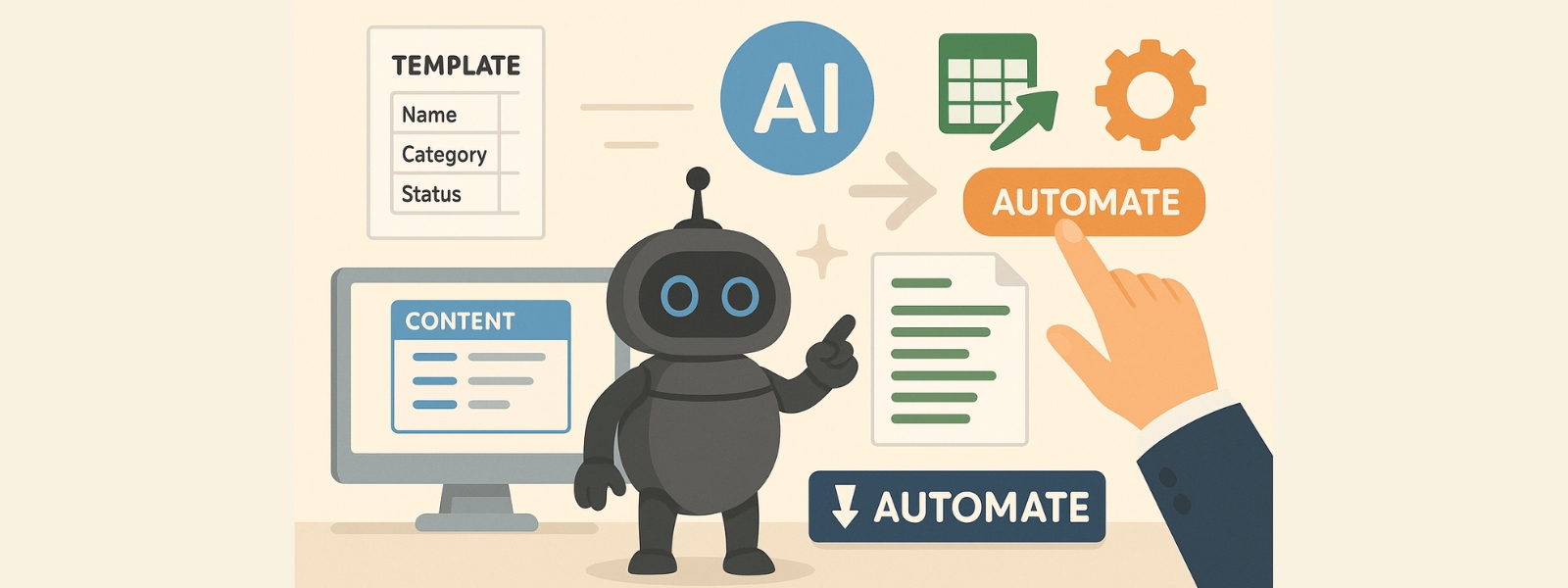
Modern Data Aggregation: real-time, spatial, and smart automation improvement
Traditional aggregation is no longer sufficient in many modern scenarios. Today, speed, focus, and spatial context are what matter—especially in areas such as smart cities, logistics, and real-time marketing.
Real-time analysis through aggregation
With real-time aggregation, data can be collected, processed, and displayed immediately. This allows current developments to be identified directly – for example, when monitoring sales figures or user behavior on websites.
Example: An online store can see live which products are in demand – and can react immediately.
Spatial aggregation: grouping data geographically
Spatial aggregation involves grouping data by location or region. This is particularly helpful when analyzing temperature data, traffic information, or sales figures in specific cities, for example.
This type of aggregation improves presentation and helps with targeted control of actions.
Automated calculation and collection with DataNaicer
A modern tool such as DataNaicer automates not only collection, but also the entire calculation and aggregation process. Large amounts of data are merged, grouped, and prepared for further use in a short period of time.
The automatic description of the aggregated data provides a better overview—without any manual reworking. The focus is on efficiency and rapid integration into your systems.

Conclusion: Bundle data intelligently for better performance
Data Aggregation is more than just a technical process—it is the basis for real improvement in daily work with data. Whether for quick analyses, clear views, or automated workflows, bundling data in a targeted manner saves time and increases performance.
Modern tools such as DataNaicer from uNaice help to implement aggregation efficiently – even with large and unstructured amounts of data.
Our article on data preparation shows how this works in detail. A practical overview of the technical side of data aggregation can also be found in the SnapLogic glossary.